New Delhi’s decision to steer clear of directly blaming Islamabad for a deadly car bombing in the heart of the Indian capital this month marks a departure from past rhetoric, one that analysts say is due to international fallout from its response to a militant attack earlier this year.
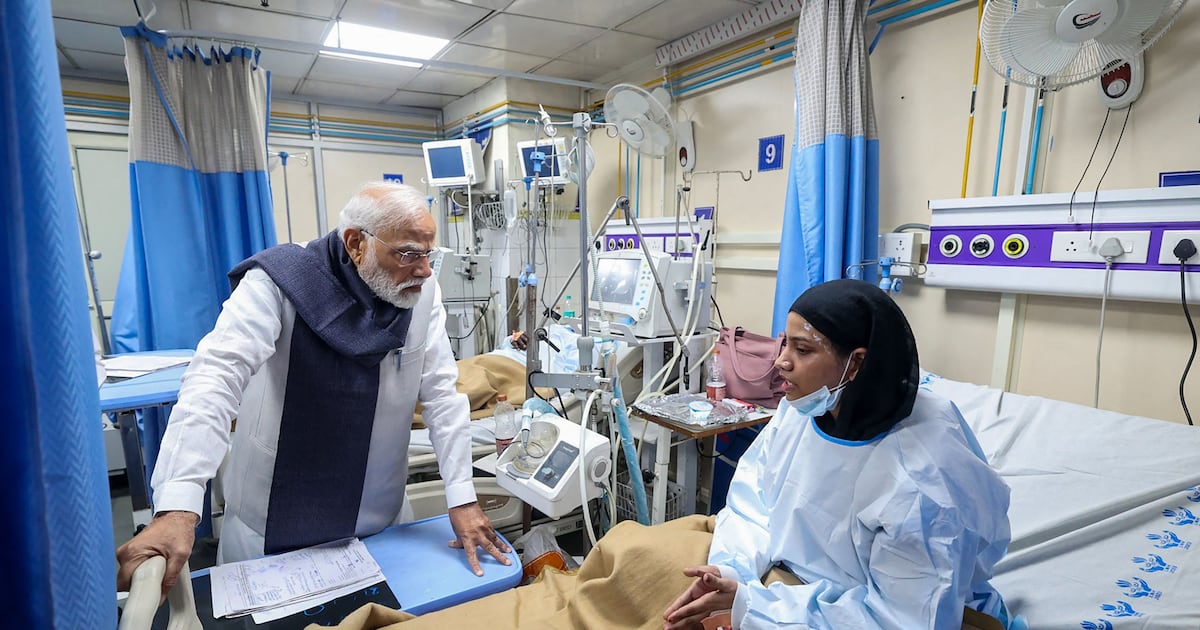
At least 13 people were killed and 20 injured when a slow-moving car exploded outside a metro station near the Red Fort on November 11.
Investigators have called it a “suicide bombing” and linked the suspect – believed to be part of a group of doctors arrested in the case – to the Pakistan-based Jaish-e-Mohammed militant group.
As the National Investigation Agency, mandated to probe terrorism cases, conducts its inquiry, India’s Army Chief General Upendra Dwivedi warned that New Delhi will treat “terrorists and their supporters alike”, a remark viewed widely as a signal to Pakistan.
Fuelling tension, a former prime minister of the Pakistani-controlled part of the disputed Kashmir region, Chaudhary Anwarul Haq, this week claimed his country had a direct role in the explosion, while Islamabad has accused India of orchestrating a deadly suicide bombing outside a court in the city a day after the car explosion in New Delhi.
Yet India has remained conspicuously cautious about accusing Pakistan of direct involvement in the Delhi bombing, even though successi
Continue Reading on The National UAE
This preview shows approximately 15% of the article. Read the full story on the publisher's website to support quality journalism.