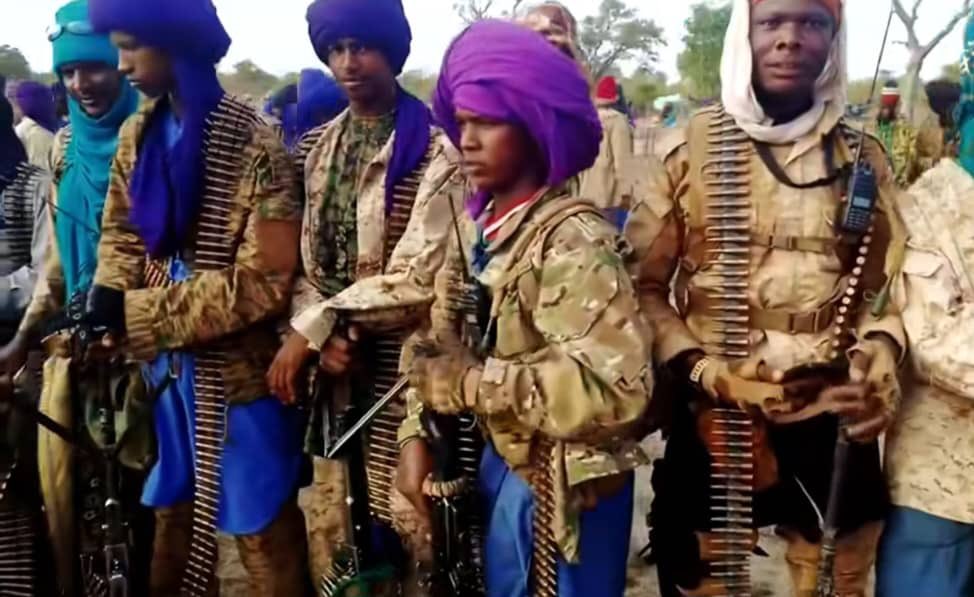
As I sat with the man I had come to see, two Lakurawa fighters approached us. They questioned my identity, and the man quickly introduced me as his brother, a trader from Sokoto.
One of the fighters switched to Arabic, demanding my name and testing me with rapid exchanges. My responses eased his suspicion; he shook my hand, praised my fluency, and even touched my beard, saying it reflected religious devotion.
He then seized my phone, ordered me to unlock it, and condemned the music he found as ‘unholy.’ I explained that the phone was newly purchased, but he still instructed me to remove the memory card, which he destroyed, warning that he would have whipped me had he thought I intentionally kept such items.
Noticing my cufflinks, he accused my companion of previously buying him a fake pair and, without hesitation, lashed him with a whip, calling him ‘dan rainin wayo’ (someone insolent enough to pretend to be clever).”
This firsthand account from a GGA Nigeria local fixer in Magoho community in Tangaza local government area of Sokoto state is not merely a story of a narrow escape. It offers a stark window into the suffocating reality of life under Lakurawa’s rule – an environment defined by coercion, suspicion, and unrestrained violence.
In a single encounter, one sees the group’s authoritarian methods: relentless monitoring, ideological probing, enforcement of an extreme moral code, and sudden punitive actions that leave residents perpetually terrified.
A simple memory car
Continue Reading on The Guardian Nigeria
This preview shows approximately 15% of the article. Read the full story on the publisher's website to support quality journalism.