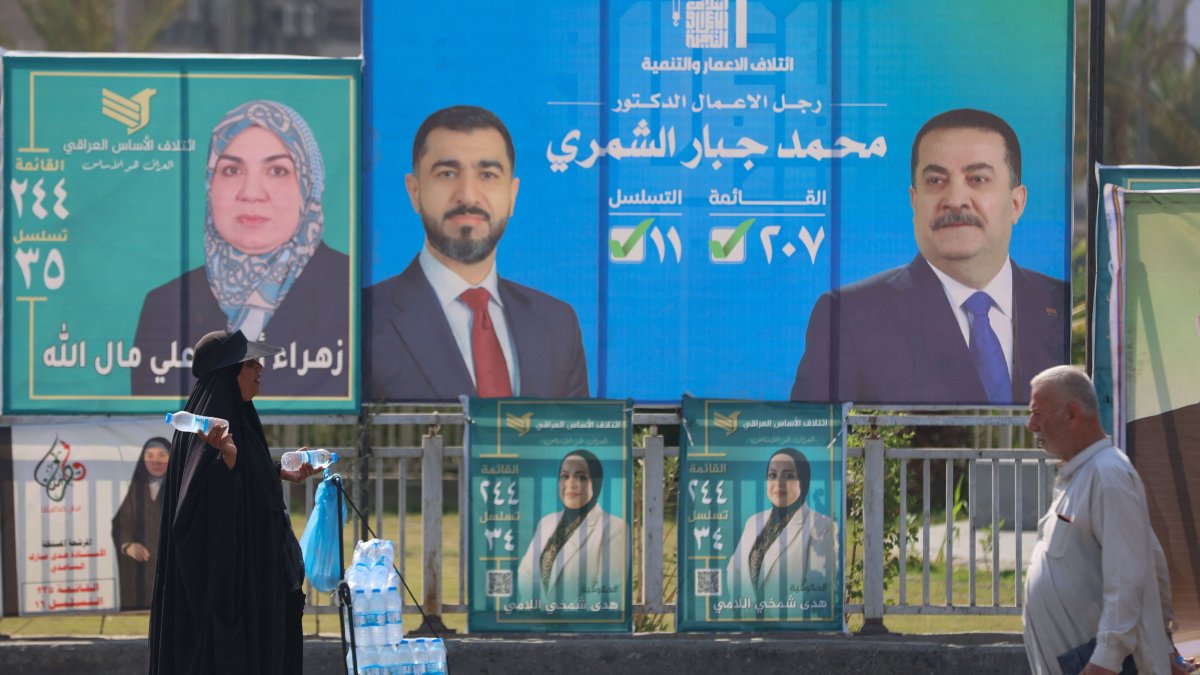
Iraqis will head to the polls on Nov. 11 to elect a 329-seat Parliament from among 7768 candidates. For the first time in years, the country enters an election in relative calm, with reduced regional and domestic violence giving political blocs space to focus on internal issues rather than security crises.
Beneath this calm lies a system unchanged in its fundamentals. Iraq remains governed by informal power-sharing among Shiite, Sunni and Kurdish communities. At the ballot box, they fragment into competing parties, but when voting ends, they reconverge to negotiate governance roles. The arrangement is ritualized: a Shiite prime minister, a Sunni parliamentary speaker and a Kurdish president. Elections determine how offices are allocated among factions more than who governs.
In 2019, during the Tishreen protests, Iraq's youth rebelled against sectarian rule and corruption, crying, "We want a homeland." Since then, it has become clear that street protests can shake the system, but only the ballot can change it. Yet this hope is undermined by a system that benefits from low voter turnout. Only 70% of adults possess biometric voter cards, leaving 9 million disenfranchised. If Sadrists, Generation Z voters and disillusioned Sunnis stay home, turnout could collapse into the 30% range.
Meanwhile, Iraq's demographic reality compounds political stagnation.
Continue Reading on Daily Sabah
This preview shows approximately 15% of the article. Read the full story on the publisher's website to support quality journalism.