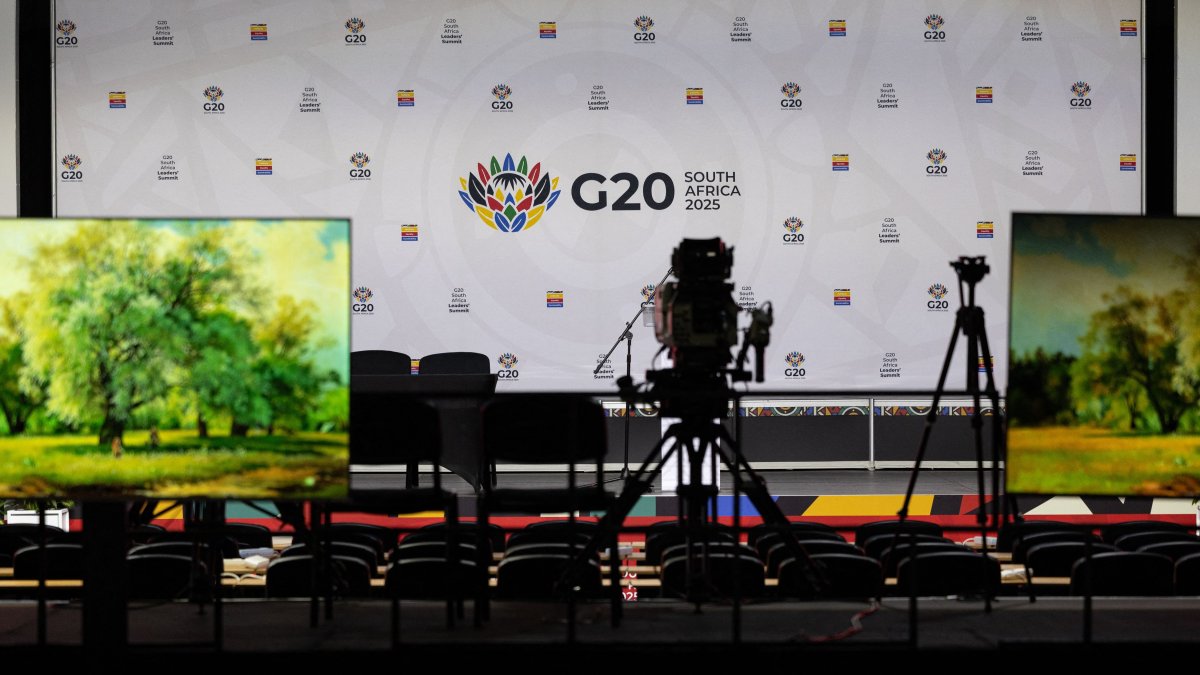
This year’s G-20 summit in South Africa is taking place without the leaders of the U.S., China and Russia. As expected, their absence diminishes the summit’s visibility and perceived importance in the global public sphere. Yet concerns about the G-20’s effectiveness are hardly new. There is a growing tendency to portray the forum as a relic of globalization’s “golden age,” just an organization simply no longer works. The G-20 is increasingly depicted as paralyzed by great-power rivalry, unable to generate inclusive or robust consensus, and far removed from the sense of urgency and shared purpose that characterized its response to the 2008 global financial crisis.
While this critique is mostly justified, it risks overlooking a deeper transformation. The G-20 may no longer function as the “executive board” of a globalized economy governed by neoliberal rules.
Continue Reading on Daily Sabah
This preview shows approximately 15% of the article. Read the full story on the publisher's website to support quality journalism.