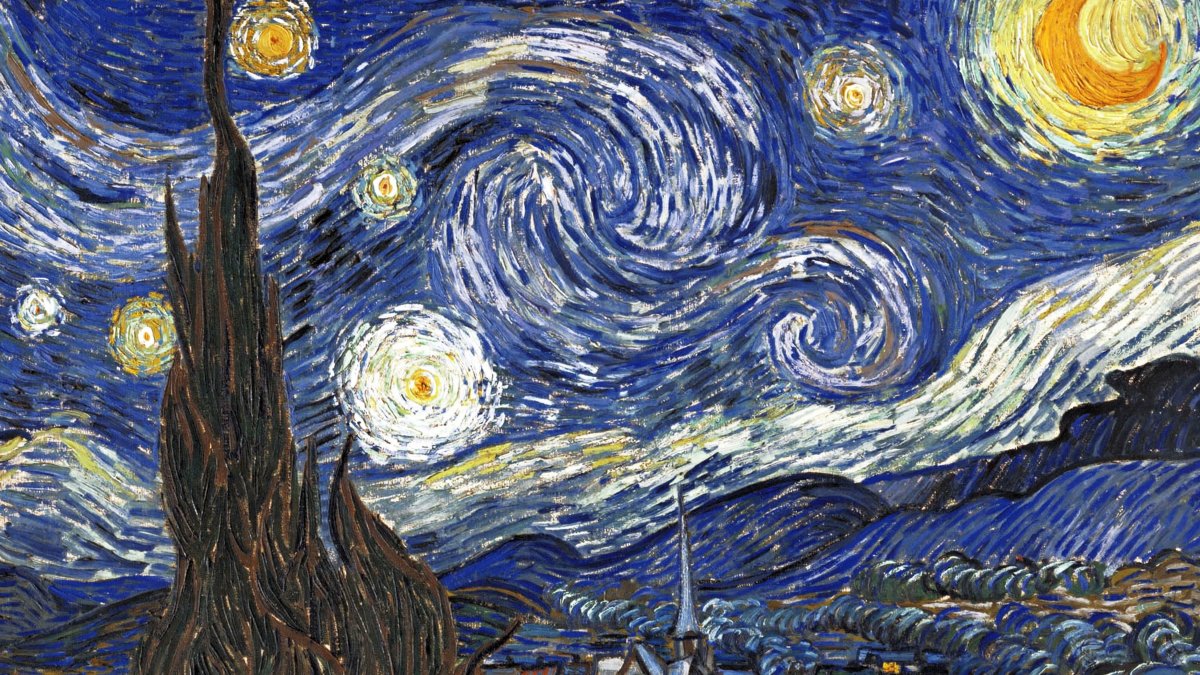
The prevailing narrative of art history, polished in museums and repeated in textbooks, often paints creativity as the offspring of refined techniques, disciplined craftsmanship and stable mental composure. Yet the closer one scrutinizes the lives of artists who truly altered the trajectory of visual culture, the more this narrative collapses. Beneath the surface lies a far more complex and unsettling truth: The history of art is inseparable from the history of illness, not only as metaphor but as a biological, psychological and chemical reality. The ailing body, the destabilized psyche, the toxic studio and the traumatized social environment have all shaped artistic languages in ways that traditional art history has rarely acknowledged with sufficient seriousness.
This is not to romanticize suffering, a trap both popular culture and early psychoanalytic criticism often fell into, but to understand illness as a structural force that reconfigures perception, cognition and expressive capacity. Neurological studies also have emphasized that altered mental states do not merely disrupt creativity; they reshape the perceptual frameworks through which the artist experiences reality. In this sense, pathology becomes not an obstacle but a refractive lens.
Western masters in distress
Few figures embody this entanglement more dramatically than Caravaggio, whose life reads like a case st
Continue Reading on Daily Sabah
This preview shows approximately 15% of the article. Read the full story on the publisher's website to support quality journalism.