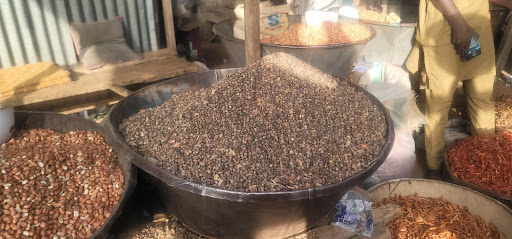
African Locust bean, locally called ‘Dawadawa’, is a proteinous fruit used in spicy food among households in northern Nigeria. However, reports show that the burning of forests by counter-insurgency efforts to eliminate armed bandits who use such trees as fortresses when launching attacks on communities and flooding, are threatening the livelihoods associated with its fruits and endangering the widespread growth of the trees, and causing biodiversity loss.
On a bright Saturday morning, 89-year-old Gwadoddi Shehu sat in the corridor of his home in Gwadoddi village, Rabbah Local Government Area of Sokoto State, reflecting on the past.
Even now, in his old age, he recalls his younger years as a farmer cultivating vast fields dotted with African locust bean trees. Those memories came alive as he spoke when Dataphyte visited in late September.
Memories of trees on the brink
“I owned 13 African locust trees back in those days because it was a pride for us as farmers. You are rated by the number of economic species your farmland has. But now they are all gone due to excessive flooding and the insecurity challenge facing our community,” said Mr Shehu.
In Gwadoddi village, African locust trees were among other species considered as symbols of economic independence for farmers who own them. The history of its inheritance among households is also of pride.
Shuaibu Shehu, a farmer and son of the octogenarian, said the species is highly regarded as a source of income generation for households
Continue Reading on Premium Times Nigeria
This preview shows approximately 15% of the article. Read the full story on the publisher's website to support quality journalism.