In cooperative societies – like elephants or whales – natural selection seems to favour genetic mechanisms that suppress cancer, study says
Listen to this article
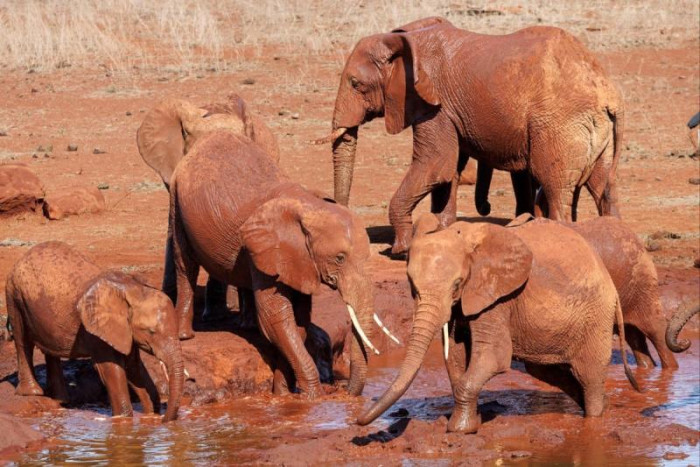
Elephants, despite their massive size and long lifespans, have evolved powerful cancer defences in the form of 19 extra copies of the tumour-suppressor gene TP53. (Photo via South China Morning Post)
BUENOS AIRES — Much research on cancer prevalence has focused on genetic, environmental and lifestyle factors. But a new study by Argentine researchers offers a novel evolutionary perspective: the social structure of mammals may play a critical role in cancer risk.
The new angle has been proposed by researchers from the cancer philosophy and biology systems group at the University of Buenos Aires, led by Professor Matias Blaustein.
Their study, published on Nov 12, 2025, in the journal Science Advances, suggests that species characterised by strong social cooperation exhibit significantly lower cancer rates, while those shaped by intraspecific competition face higher risks.
There are disparities in cancer rates across human populations. According to the World Health Organization (WHO), the United States, with a population of 340 million, had one of the highest age-standardised cancer incidence rates in the world in 2022, at 376 cases per 100,000 people. China, with a population of 1.4 billion, reported an incidence of 201.6 per 100,000, with both facing environme
Continue Reading on Bangkok Post
This preview shows approximately 15% of the article. Read the full story on the publisher's website to support quality journalism.