On the battlefield, Ukraine is fighting for its very survival. At the negotiating table, it's attempting to resist proposals that would force it to cede its Russia-occupied territories. At home, President Volodymyr Zelenskyy is grappling with a corruption scandal that has just cost him his most trusted aide.
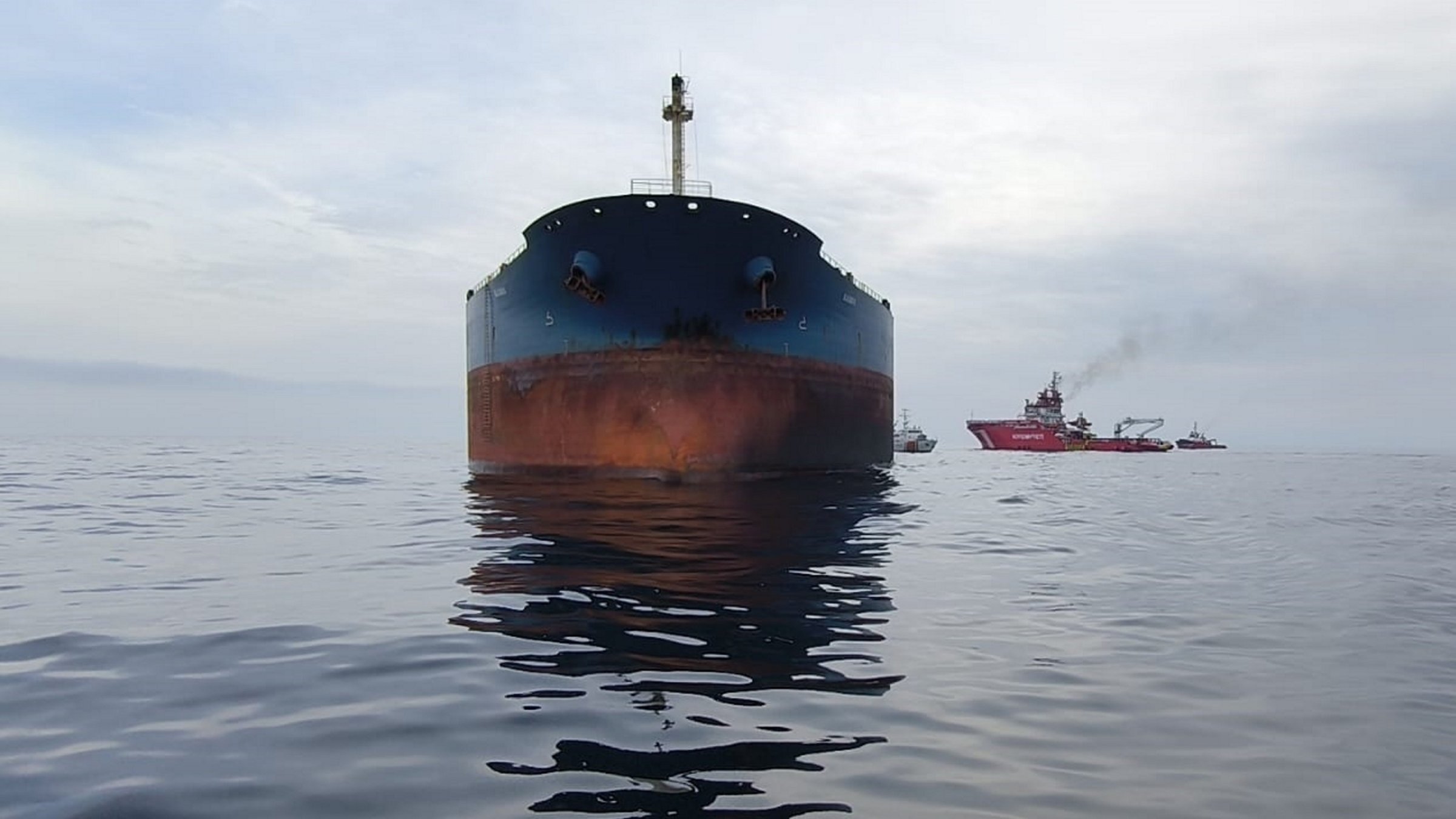
Together, these pressures appear to be driving Kyiv to pursue riskier strategies, according to experts, most visibly through last week's attacks on Russian-linked merchant vessels in the Black Sea. The incidents have alarmed one of the key actors in efforts to end the nearly four-year war: Türkiye.
Ukraine has targeted Russian vessels before, particularly between 2022 and 2024, but those operations largely stayed in the northern Black Sea, within or near Russian territorial waters. The latest attacks, however, occurred inside Türkiye's exclusive economic zone (EEZ), prompting Ankara to condemn them as unacceptable and to warn "all parties" to halt such actions.
Kyiv acknowledged it had used naval drones to strike two empty tankers, which were sailing off the Turkish coast and heading to the Russian port of Novorossiysk. But it denied involvement in a separate incident on Tuesday. No civilian casualties were reported in any of the attacks.
Foreign Minister Hakan Fidan on Wednesday described the attacks as "very scary," stressing that they endangered the security of everyone in the region and demonstrated the escalating reach of the war in Ukraine.
Teoman Ertuğrul Tulun, an analyst at the Center for Eurasian Studies (AVIM), says the incidents pose a "new test" for Türkiye's diplomatic initiatives while also underscoring the importance of Ankara's mediating role.
Earlier efforts had positioned Ankara, a NATO member that has maintained dialogue and close relations with both sides, as a "reliable mediator" in the eyes of both Ukraine and Russia, Tulun told Da
Continue Reading on Daily Sabah
This preview shows approximately 15% of the article. Read the full story on the publisher's website to support quality journalism.