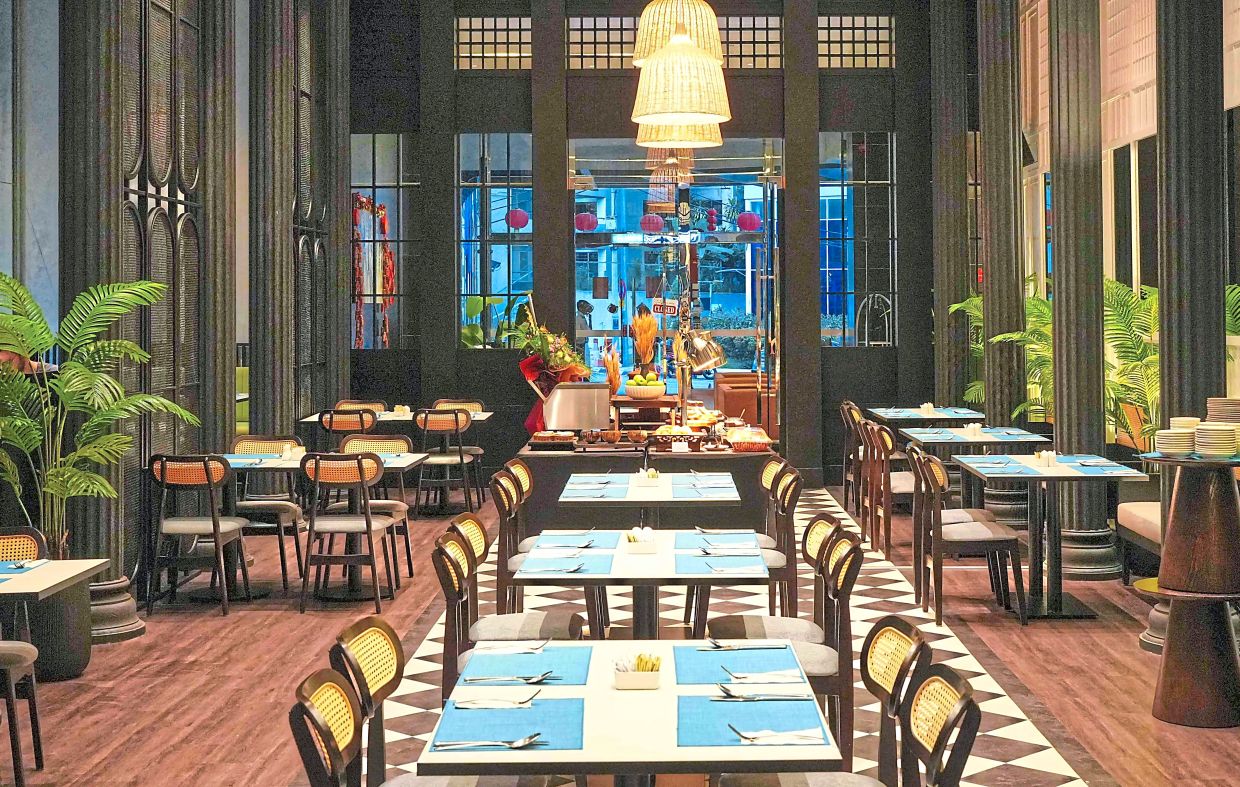
Hotels have existed in some form or another for hundreds of years. In medieval Europe, this took the form of inns, which served as places of lodging for weary travellers. In the 19th century, luxury hotels began to emerge, creating a new demand for accommodation that combined style and substance.
This era was epitomised by Cesar Ritz, a Swiss hotelier who founded Paris’ famed Hotel Ritz and was the first manager of London’s Savoy Hotel in 1889. Ritz recognised the talents of now-famed French chef Auguste Escoffier and hired him to manage all his restaurant kitchens, including The Savoy.
It was this partnership that turned hotel restaurants into elegant, charming places that served equally elegant, charming food. Escoffier also reorganised restaurant kitchens in hotels, removing what were once loud, riotous spaces and turning them into clean, disciplined culinary hotspots.
In America, luxury hotels like the Waldorf Astoria, which opened in 1893 – revolutionised the American dining scene, with the hotel’s kitchen gaining fame for inventing dishes like the Waldorf salad and eggs Benedict.
Being agile
Fast forward nearly 150 years later and hotels continue to remain mainstays for most travellers. Hotel-led restaurants, however, are having to work much harder these days to stay relevant in modern-day dining landscapes that have evolved very quickly in the past decade or so.
(Left) Raba says hoteliers need to change their mindset and start thinking like restaurant operators – not hotel operators – in order to keep up with independent restaurants.
Continue Reading on The Star Malaysia
This preview shows approximately 15% of the article. Read the full story on the publisher's website to support quality journalism.