Once upon a time in antebellum America, the word planter conjured images of grand mansions, endless cotton fields and enslaved labour.
The term carried prestige and the stench of exploitation.
Post-slavery, the title faded, but its uncomfortable echoes still ripple through history.
Today, in tropical Asia and Africa, planter means something very different.
It refers not to land-owning lords but to salaried professionals in boots and broad-brimmed hats – though now, many wear collared shirts and carry tablets.
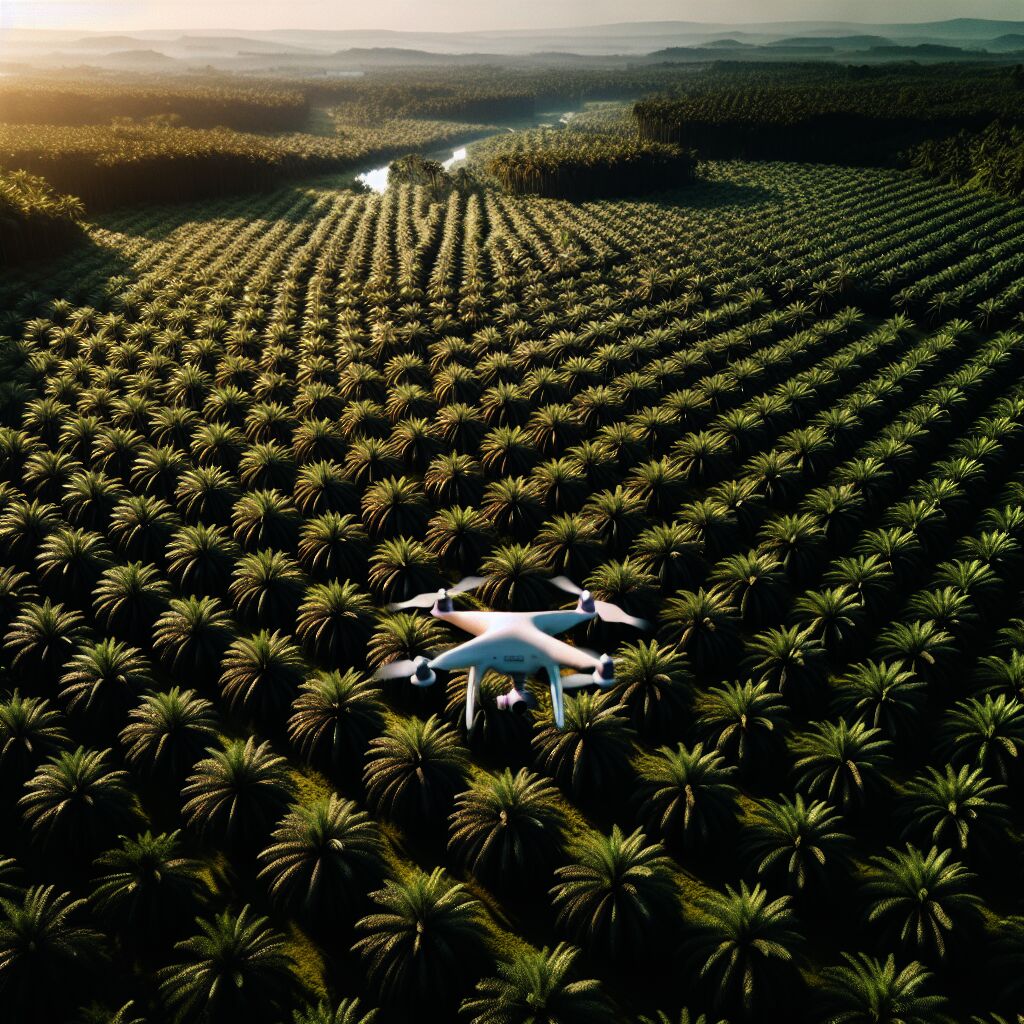
These are the people who manage vast plantations of oil palm, rubber and other crops – more likely armed with an agronomy degree than a whip, and driven by performance indicators instead of crop quotas.
Let’s be clear: today’s planters are not relics of a colonial caste system. They are stewards of land, leaders of teams and frontline managers balancing cost controls, climate targets and the complex human dynamics of rural workforces.
The title has been reclaimed, reshaped and – if you ask me – still deserves respect.
Past versus present
While digging through old planter journals in archives, I stumbled upon a gem from 1947: a poem simply titled He Was a Planter.
It was a moving, sepia-toned tribute to the rugged men who once ven
Continue Reading on The Star Malaysia
This preview shows approximately 15% of the article. Read the full story on the publisher's website to support quality journalism.