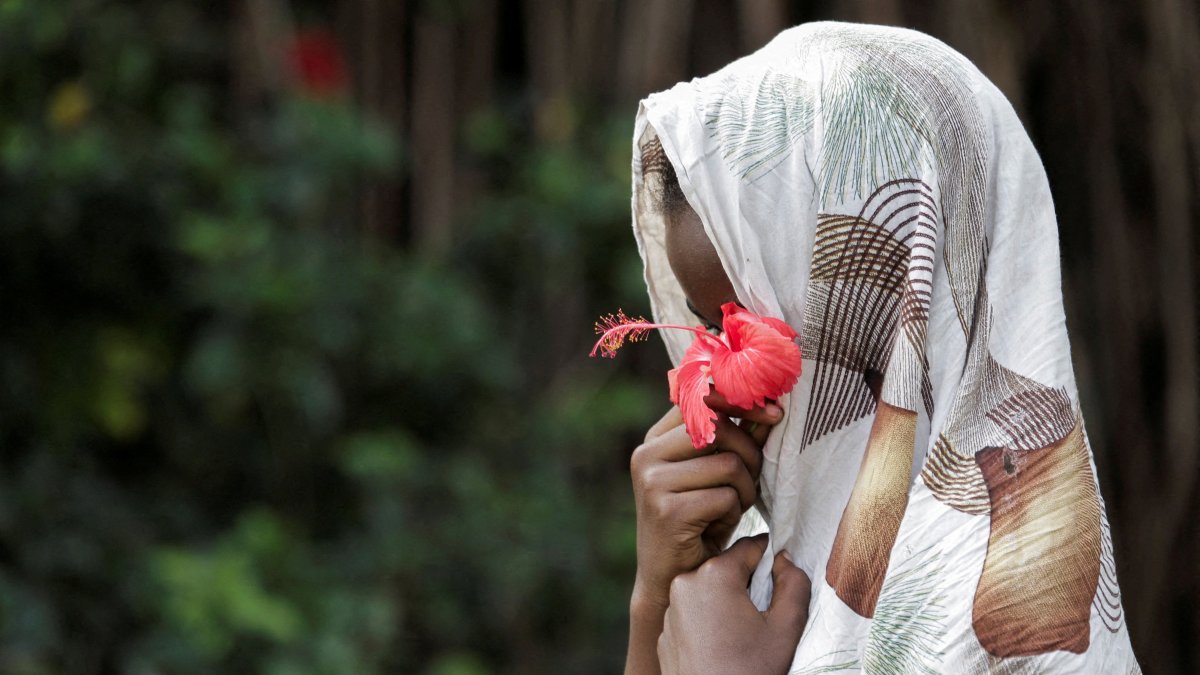
The gunfire returned before dawn, cracking through the thick forest where Salima, then 17, had been held for months.
The teenager crouched low in the underbrush, her heart hammering, listening as M23 rebels traded fire with Congolese troops and a government-aligned militia.
When a shell exploded nearby that January morning, she and another captive girl seized the one chance they had: they ran.
Their escape carried them 20 kilometers across bare earth and sharp rock to a sprawling displacement camp outside Goma.
But even now, nearly a year later, Salima lives in hiding in rebel-held territory – a survivor of sexual violence, still carrying the weight of nearly eight months under the control of M23 combatants.
“They would rape us whenever they wanted,” she said quietly, looking down. “Every day. Different men.”
Her story is just one thread in a conflict that has brutalized eastern Congo for decades.
In a nation of more than 112 million people – rich in minerals but shredded by war – rape has been used as a strategic weapon by soldiers, militias and insurgent groups alike.
The violence traces back to the 1994 Rwandan genocide, when Hutu extremists massacred Tutsis and triggered a refugee crisis that spilled over into Congo, igniting waves of conflict that have yet to fade.
Surge in sexual violence
The toll has only grown since the Rwanda-backed M23 movement l
Continue Reading on Daily Sabah
This preview shows approximately 15% of the article. Read the full story on the publisher's website to support quality journalism.