JAKARTA/ACEH (Bloomberg): By the time the floodwaters swallowed the ground floor of Muda Sedia hospital in Karang Baru, the building had become an island in a torrent of brown water and the power was failing. When the electricity finally cut out, a baby on oxygen support upstairs died.
As a rare cyclone-driven storm tore across northern Sumatra late last month, hospital director Andika Putra had moved patients to the second floor in this town at the edge of Indonesia’s northernmost province. Fast-moving currents isolated the compound, trapping patients, staff and neighbors for days. Nine others perished.
"This scale of flooding has never happened before in the hospital’s history,” he said, standing outside the building in a light rain. Behind him, the waters had left broken medical equipment and a thick layer of mud spread across the waiting room floor.
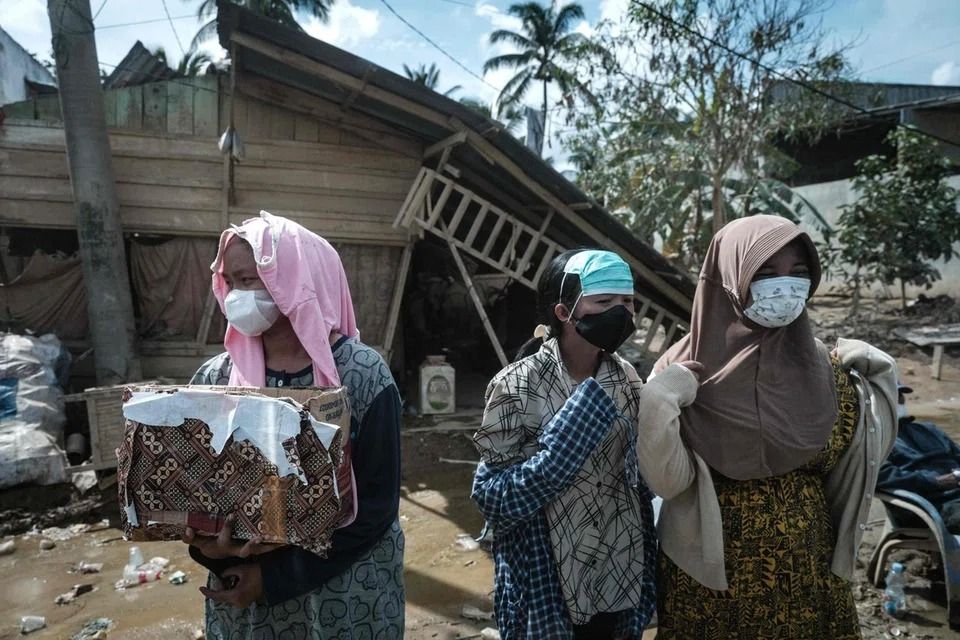
More than a million people were displaced by some of the worst flooding in Indonesia’s modern history. Over 1,000 are dead. Houses, more than a hundred bridges and in some cases, entire communities, were washed away in landslides across an area half the size of California. Come nightfall, much of northern Sumatra remains in darkness, with scores of villages still cut off.
The cyclone was the deadliest in Indonesia since one that hit Flores in 1973, said Abdul Muhari, a spokesman for the country's disaster management agency.This stretch of the island’s northern coast is emblematic of a disaster whose economic and environmental footprint now spans three provinces on the world’s fifth-most populous island. Cars sit abandoned along roads. Trash lines the streets.
Continue Reading on The Star Malaysia
This preview shows approximately 15% of the article. Read the full story on the publisher's website to support quality journalism.