When Donald Trump nominated Jay Bhattacharya to be the director of the National Institutes of Health, a shake-up seemed inevitable. Typically, the agency—a $48 billion grant-making institution and the world’s largest public funder of biomedical research—has been led by a medical researcher with extensive administrative experience. Bhattacharya was a health economist without specialized training in infectious disease, who’d come to prominence for his heterodox views on COVID policies and who has criticized the NIH for stifling dissent.
The NIH has been transformed this year. And most of the layoffs, policy changes, and politically motivated funding cuts—notably, to infectious-disease research—have happened under Bhattacharya’s watch. But inside the agency, officials describe Bhattacharya as a largely ineffectual figurehead, often absent from leadership meetings, unresponsive to colleagues, and fixated more on cultivating his media image than on engaging with the turmoil at his own agency. “We don’t really hear from or about Jay very much,” one official told me. (Most of the current and former NIH officials who spoke with me for this article requested anonymity out of fear of retaliation.) Many officials call Bhattacharya “Podcast Jay” because of the amount of time that he has spent in his office recording himself talking. “Bhattacharya is too busy podcasting to do anything,” one official told me.
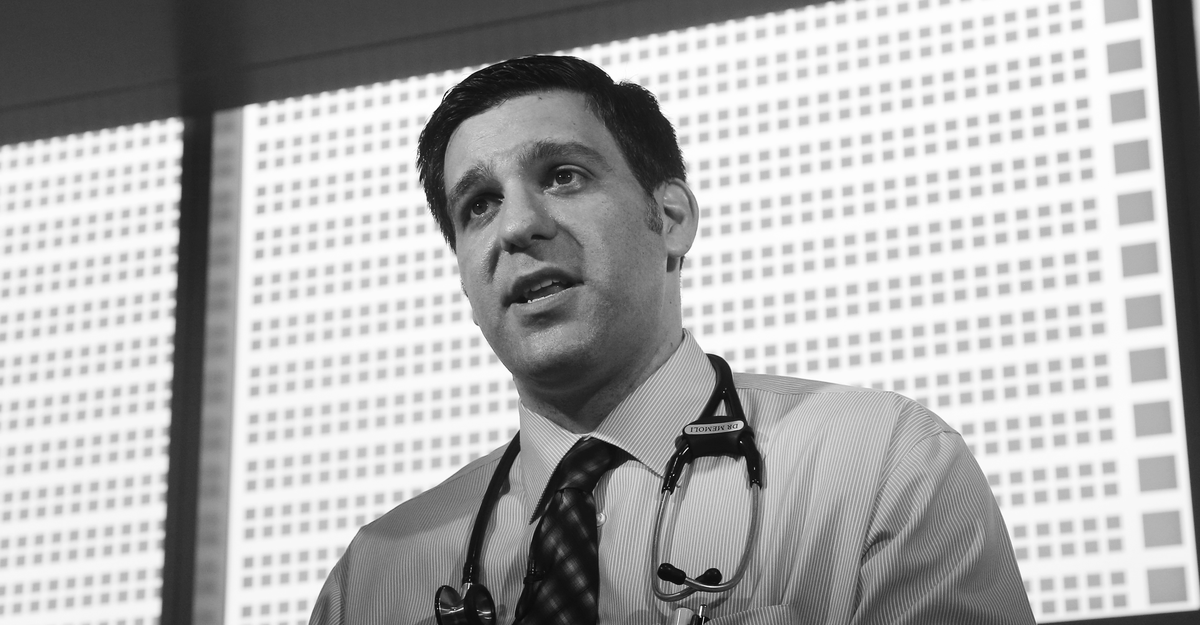
Instead, Matthew Memoli, the agency’s principal deputy director, “is the one wielding the axe,”the official said.
Continue Reading on The Atlantic
This preview shows approximately 15% of the article. Read the full story on the publisher's website to support quality journalism.