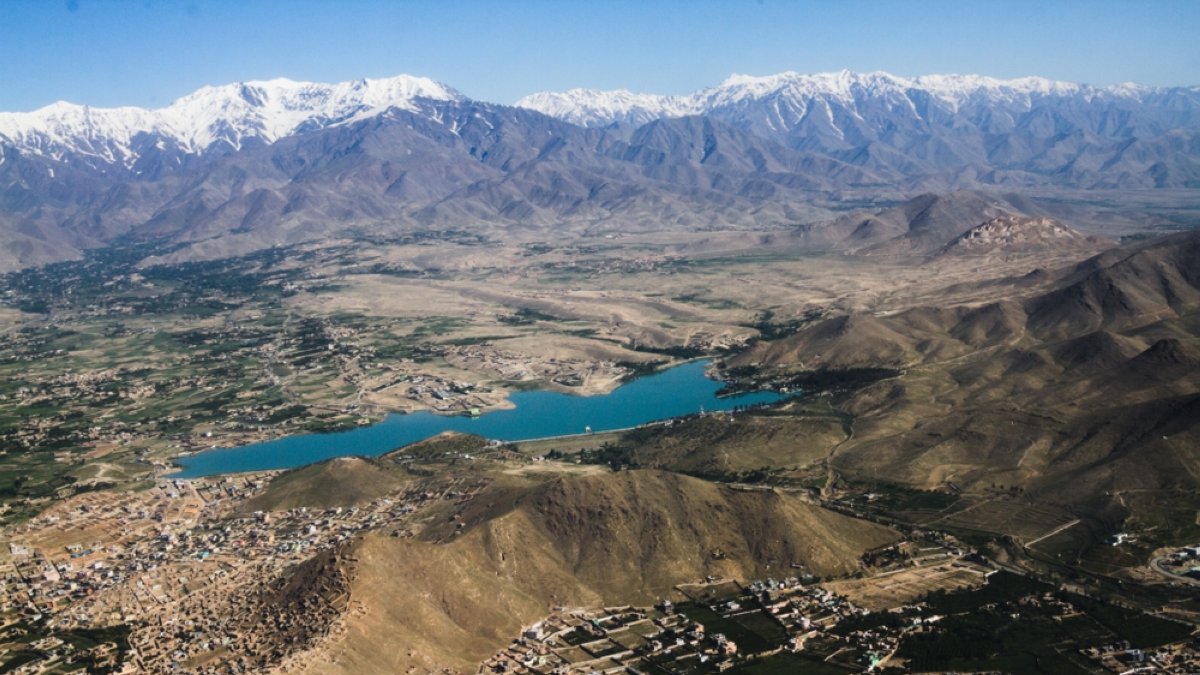
Central Asia finds itself at a crossroads, more decisive than it has been for a long time, at a time when global power balances are rapidly shifting. Disruptions in international supply chains, the reshaping of the regional security architecture, and states' increasing pursuit of economic diversification are forcing the region to redefine its strategic direction along the north-south axis. Against this backdrop, the resurgence of the Trans-Afghan Corridor is no longer merely an alternative transport project; it is a critical indicator of how Central Asian states will position themselves geopolitically in the future.
The region is now facing perhaps one of the most tangible opportunities in recent years to diversify its external connections and strengthen its economic independence. However, the appeal of this opportunity also raises serious questions.
Continue Reading on Daily Sabah
This preview shows approximately 15% of the article. Read the full story on the publisher's website to support quality journalism.