If it were not a conflict zone, the view across Lake Assad would be beautiful. A heron feeds on the edge of the water as sunshine glimmers off its surface.
But this is Syria’s longest remaining front line, stretching for hundreds of kilometres from the border with Turkey to the frontier with Iraq.
Along the course of the mighty Euphrates, it has remained a major fault line since the fall of the Bashar Al Assad regime last December, as the new government struggles to close the cracks in controlling Syria.
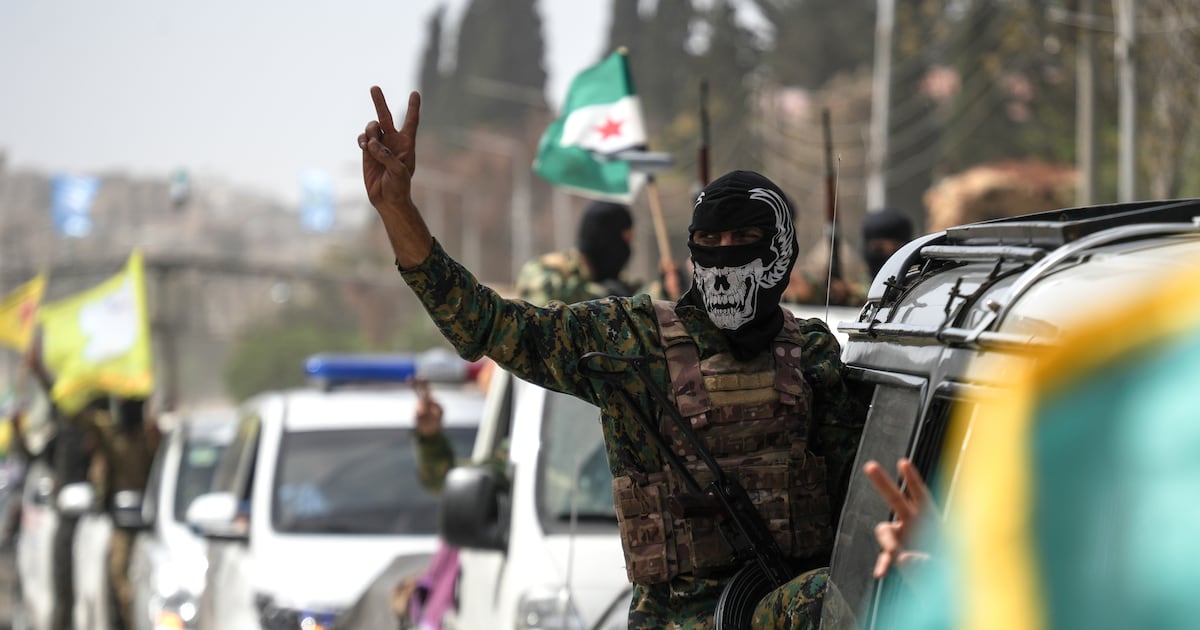
Across the lake are positions held by the Syrian Democratic Forces, the Kurdish-led, US-backed militias that have not integrated into the Syrian army led by Damascus. As the former regime fell just over 12 months ago, SDF fighters were pushed east by armed groups aligned with the triumphant rebel offensive towards Damascus.
While the front line has moved, it has not disappeared and a chunk of territory in north-eastern Syria containing most of the country’s water and energy resources, including the Tishreen Dam, is under the control of the Kurdish-led militias. On the government-controlled side, roadblocks on routes leading to SDF territory cut through the low hills and olive groves in Al Khafsa.
In March, SDF leader Mazloum Abdi and Syrian President Ahmad Al Shara signed an agreement intended to usher Kurdish integration into the central military and civilian authorities by the end of this year.
But with the deadline looming, real implementation has not happened.
Continue Reading on The National UAE
This preview shows approximately 15% of the article. Read the full story on the publisher's website to support quality journalism.