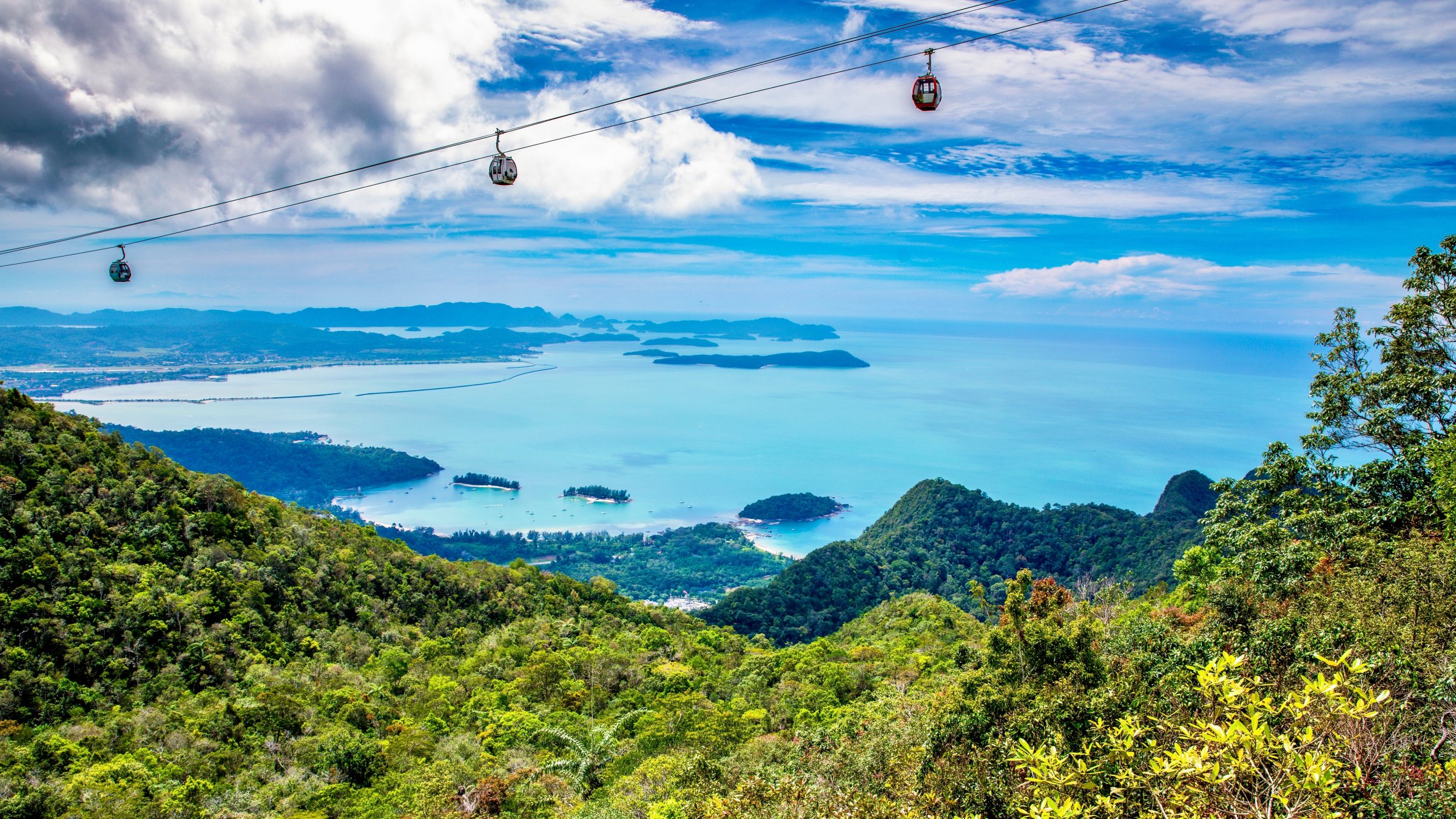
The longer you look at these hills, the clearer it becomes: life in Langkawi is ancient. The prehistoric flora dotting its limestone cliffs – some of the oldest in the world to have risen from the seabed – lends it the air of a land before time.
Langkawi is a 478.5 square kilometer (184.7 square miles) cluster of islands off the coast of northeastern Malaysia. It’s lovingly called the Jewel of Kedah, and for good reasons. It is home to over 99 islands of various shapes and sizes, many with pristine sea beaches, nestled in 550-million-year-old rock formations and under a canopy of dense mangrove forests.
This trove of natural gems earned the island a UNESCO World Geopark status in 2007 and drew nearly 2.9 million visitors in 2024 alone, generating an estimated $1.72 billion in tourism receipts, according to the Langkawi Development Authority (LADA).
Legends come alive
However, things were not always rosy for Langkawi. According to a local legend, the island’s modern prosperity only began after a 200-year-old curse was lifted. In the late 18th century, a beautiful woman named Mahsuri was falsely accused of adultery by a jealous rival and sentenced to death.
As she was being executed, it is said she bled white blood – a sign of her innocence – and used her dying breath to curse Langkawi to be "barren and unprosperous" for seven generations.
Continue Reading on Daily Sabah
This preview shows approximately 15% of the article. Read the full story on the publisher's website to support quality journalism.