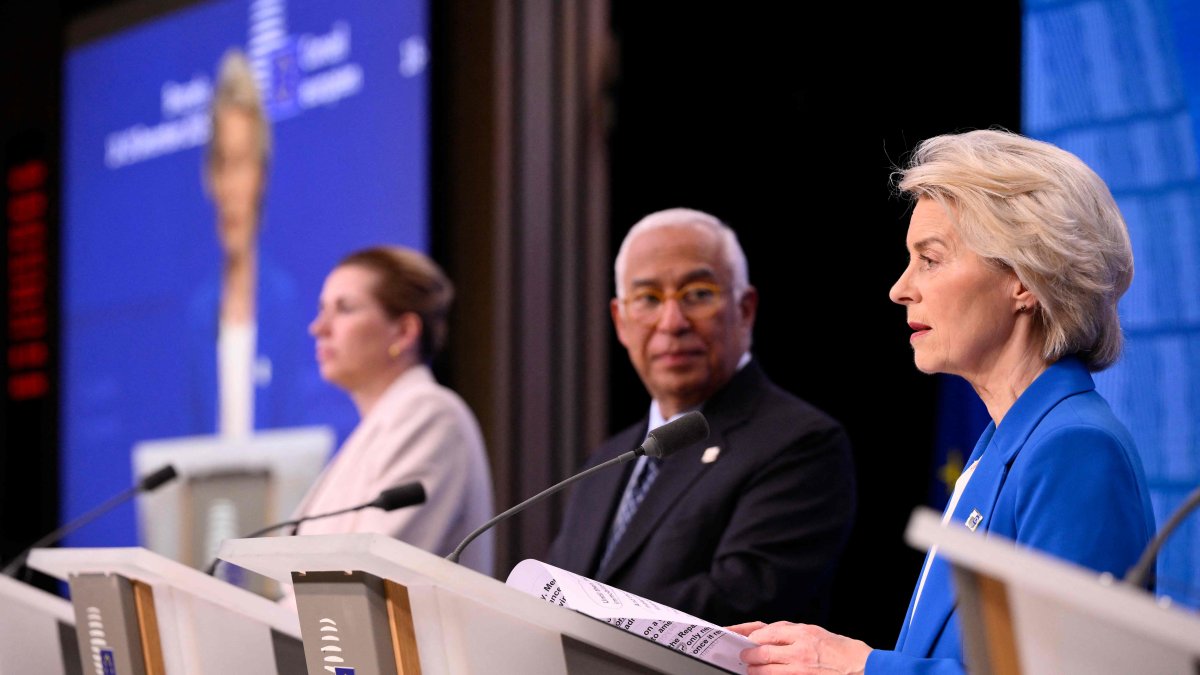
The debate unfolded in Brussels over the future of frozen Russian assets is not merely a technical discussion about financing Ukraine. It represents a defining moment for Europe’s legal order, its financial credibility and its strategic posture in an increasingly fragmented global system. While the proposal has been framed as an act of solidarity with Ukraine, its broader implications suggest that Europe may be inflicting lasting damage on its own institutional foundations.
Since the beginning of the war, the European Union has presented its response as a defense of international law and the rules-based order. Sanctions, asset freezes and diplomatic isolation were justified as lawful, proportionate and reversible measures. Against this backdrop, the proposal to utilize frozen Russian sovereign assets as the basis for large-scale loans to Ukraine represents a significant shift. It moves Europe away from restraint and toward a more interventionist use of financial power that increasingly blurs the line between sanctions and appropriation.
However, after discussions, the EU stepped back from the proposal to directly leverage frozen Russian sovereign assets as collateral for large-scale loans to Ukraine, following legal, political and financial objections from within the bloc.
Continue Reading on Daily Sabah
This preview shows approximately 15% of the article. Read the full story on the publisher's website to support quality journalism.