For some time, Israel has stepped up its unilateral actions not only in the territorial domains of the Levant region but also within its maritime zones, increasingly aligning its policies with the Greece-Greek Cypriot administration axis in the Eastern Mediterranean. As evidenced by the recent 10th Greek-Greek Cypriot-Israeli trilateral summit held in Tel Aviv, this apparent anti-Türkiye axis has strengthened its ties, which were initially established in cultural and economic domains. Both the structure of the partnership and the leaders’ speeches indicate that containing Türkiye’s increasing dynamism across multiple fields in the region plays a central role. In particular, the alliance is largely grounded in isolating Türkiye’s energy, maritime and political actorhood in the Mediterranean region, as the parties involved seek to dominate regional hydrocarbon reserves and control potential pipeline routes. These developments directly translate into political leverage.
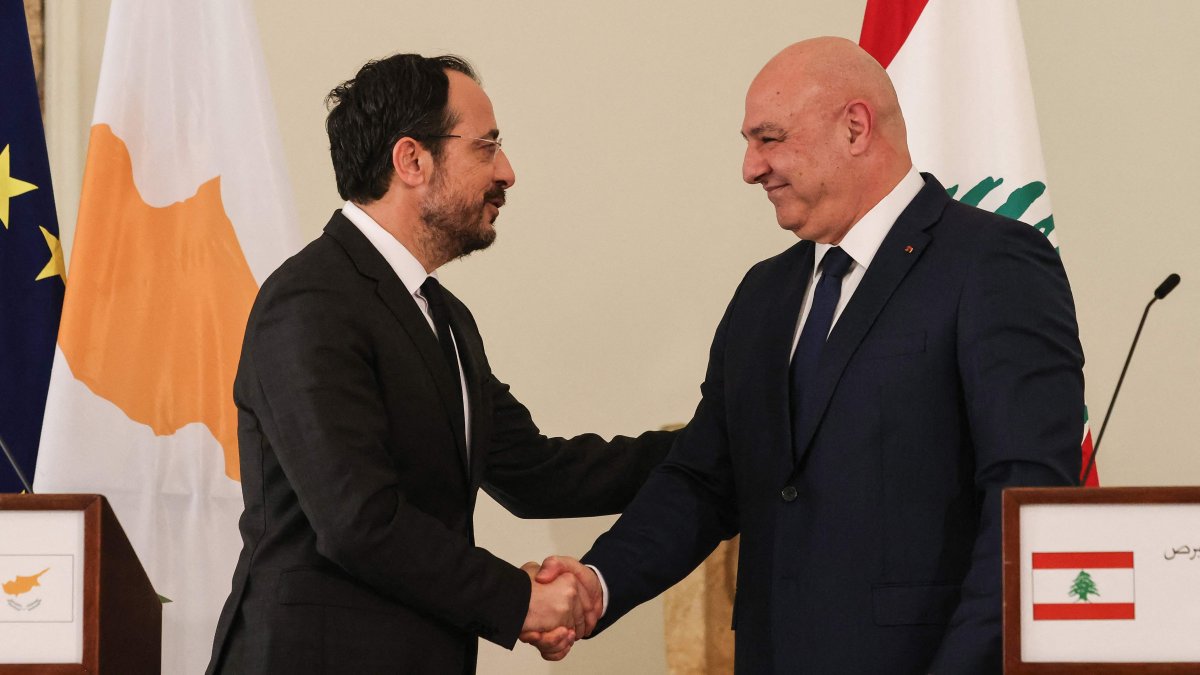
In this model of alignment, Türkiye’s emerging centrality in Syria and its potentially transformative impact over the Levant region seemed to have urged this anti-Türkiye axis in the East Mediterranean to pressure fragmented states, like Lebanon, into bandwagoning their agenda.
Continue Reading on Daily Sabah
This preview shows approximately 15% of the article. Read the full story on the publisher's website to support quality journalism.