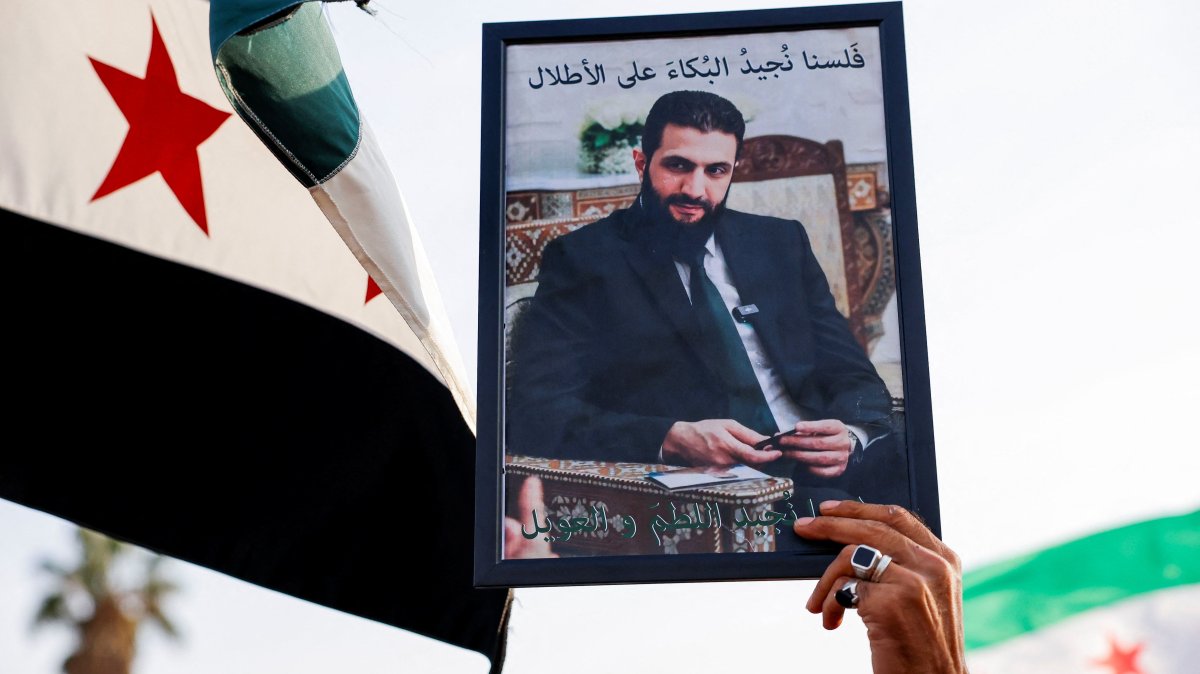
As Syrian President Ahmed al-Sharaa has now become the legitimately accepted leader of the country, acknowledged by all United Nations member states, he can concentrate more on domestic issues as well as Syria's position in regional and global politics.
The most important security concern for the new regime is preventing the country from fragmenting along ethno-religious lines. At present, some Druze, Alawite and Kurdish groups are seeking varying degrees of autonomy. While the new government has made controversial statements, it is becoming clear that Damascus is pursuing a unified state rather than a federal model like Iraq’s and opposes any form of dual political system. The fears of minorities are understandable: the trauma of the civil war remains fresh, and interethnic and sectarian tensions continue to trigger armed clashes, although their frequency appears to be decreasing.
Total security, not only in regions mostly populated by ethnic and religious minorities but throughout the country, can only be achieved through well-trained and disciplined law enforcement and military forces.
As Türkiye appears to be the driving force behind the "New Syria," it is bot
Continue Reading on Daily Sabah
This preview shows approximately 15% of the article. Read the full story on the publisher's website to support quality journalism.