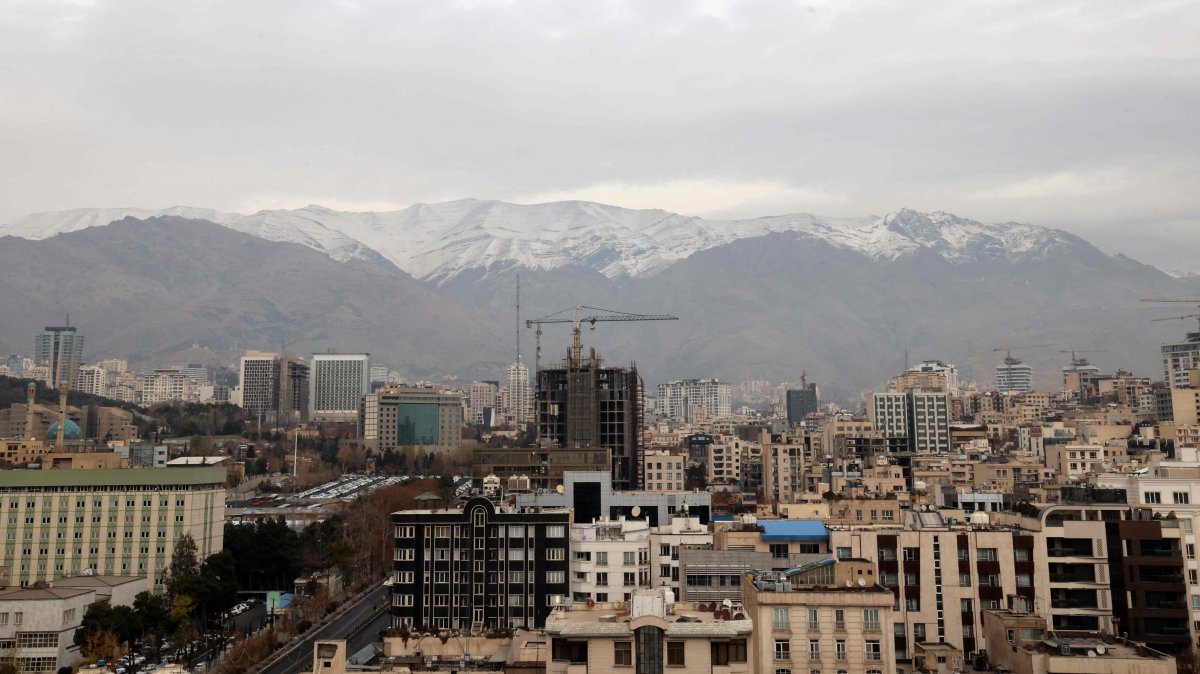
The water crisis in Iran has evolved into a national security threat, extending beyond environmental concerns to create multiple complex risks for the country. Global attention has intensified following Iranian President Masoud Pezeshkian's statement last month that Tehran may need to be evacuated if current water consumption patterns continue. The situation has reached an emergency level, as water scarcity in Iran demands immediate action with no room for compromise.
Over the past six months, storage levels in Tehran’s dams and reservoirs have fallen to critical levels, with capacity at only 5%-10%, while strategic reserves show alarming signs of depletion. As a result, discussions about Tehran’s sustainability have entered uncharted territory, with experts beginning to question the long-term viability of Iran’s capital city.
Iran is one of the world’s most water-deprived nations, as its water crisis has been driven by population growth, climate shifts, decreased rainfall, rising temperatures and more frequent droughts, which have increased water loss through evapotranspiration and reduced natural
Continue Reading on Daily Sabah
This preview shows approximately 15% of the article. Read the full story on the publisher's website to support quality journalism.