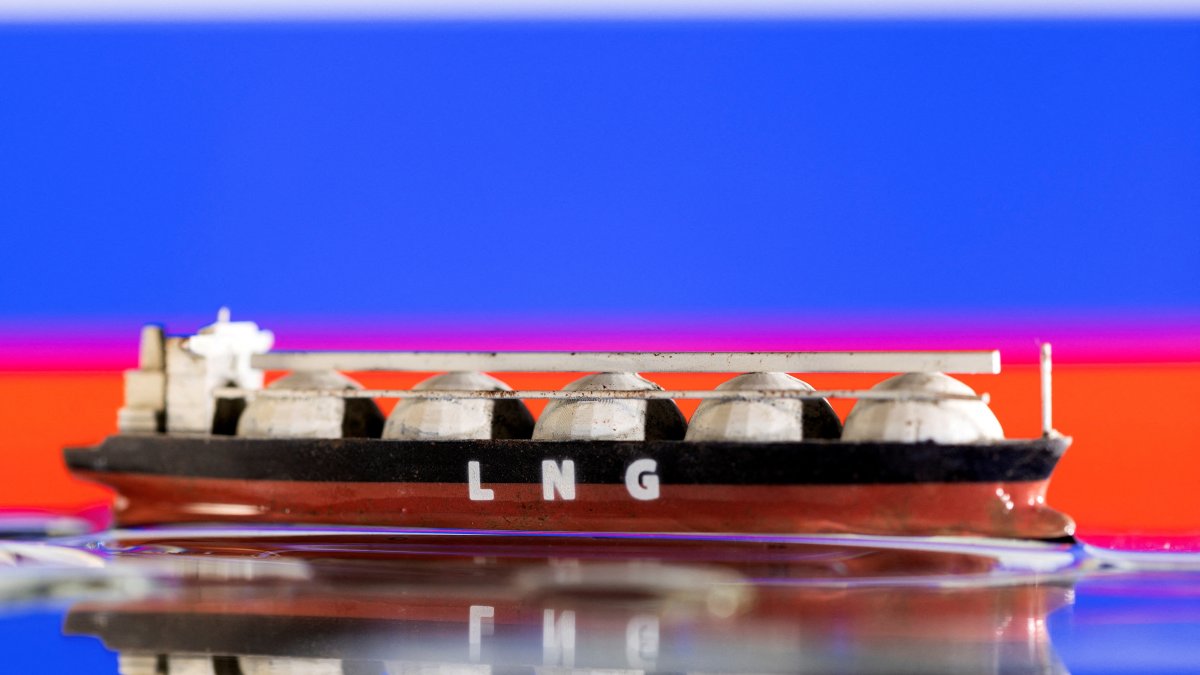
As 2025 drew to a close, energy relations between Russia and Türkiye have shifted beyond the traditional supplier-consumer framework. They are now positioned at a fragile threshold where geopolitical balancing and commercial pragmatism increasingly intersect. Europe’s post-Ukraine war disengagement from Russian gas has pushed Moscow to rely more heavily on a limited number of large, infrastructure-rich markets such as Türkiye. At the same time, Ankara, supported by expanding LNG capacity, a more diversified supply portfolio, and its ambition to become an energy trading hub, has entered a phase of redefining the rigidity of long-term gas contracts. This condition of mutual necessity, as the parties move toward 2026, compels them into a flexible, interest-based equilibrium that allows neither a full strategic rupture nor a return to the former structure of dependency.
Türkiye's decreasing dependence
For many years, Türkiye has exhibited a high degree of dependence on Russia for natural gas imports. Particularly during the 2010s, the share of Russian gas in Türkiye’s total imports reached the range of 40%-45% and in some years approached nearly half of the total supply.
Continue Reading on Daily Sabah
This preview shows approximately 15% of the article. Read the full story on the publisher's website to support quality journalism.