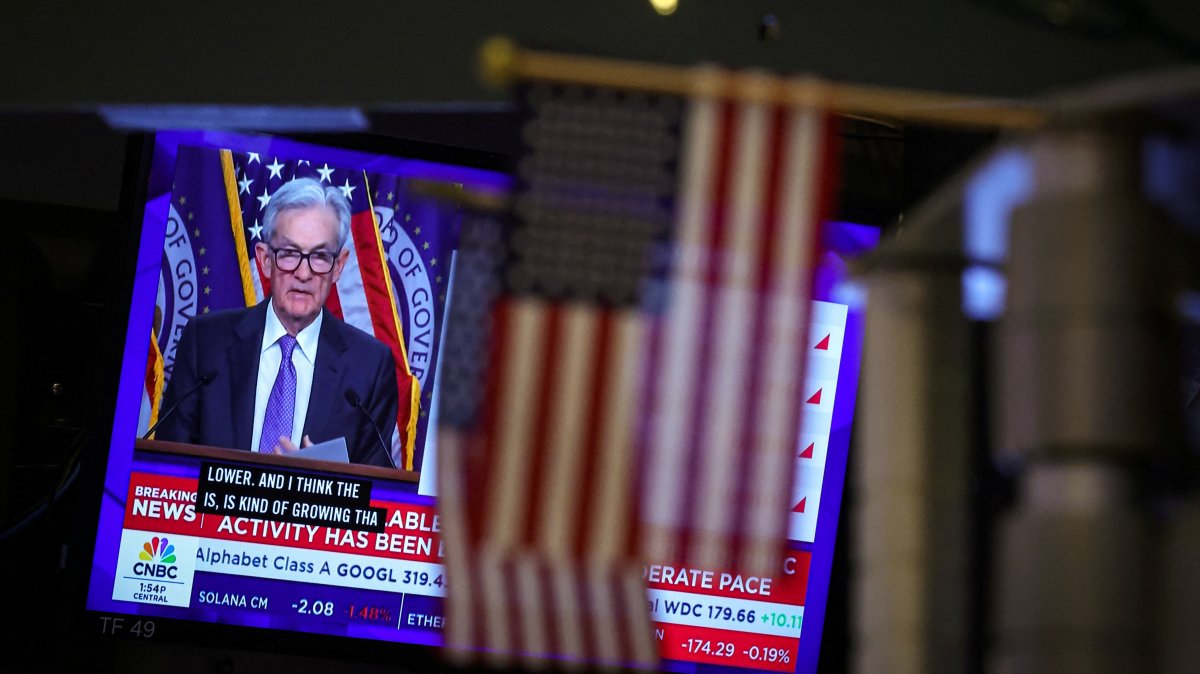
Central banks around the world are leaving behind a year riddled with uncertainties due to U.S. tariffs, geopolitical tensions, and intense political developments, while inflation-related risks came to the fore, limiting the room to ease policy.
Washington's protectionist trade practices became all the more apparent, as following his inauguration, U.S. President Donald Trump’s tariff decisions in March and April further exacerbated global trade tensions, causing a massive wave of uncertainty in the world economy.
The U.S. tariffs directly affected China, Japan, the EU, Canada, and Mexico, and these countries became the main actors in trade tensions.
While tensions were somewhat alleviated in the second half of the year with more and more trade agreements, the 12-day air strikes between Iran and Israel, as well as the unsuccessful attempts at putting an end to the Russia-Ukr
Continue Reading on Daily Sabah
This preview shows approximately 15% of the article. Read the full story on the publisher's website to support quality journalism.