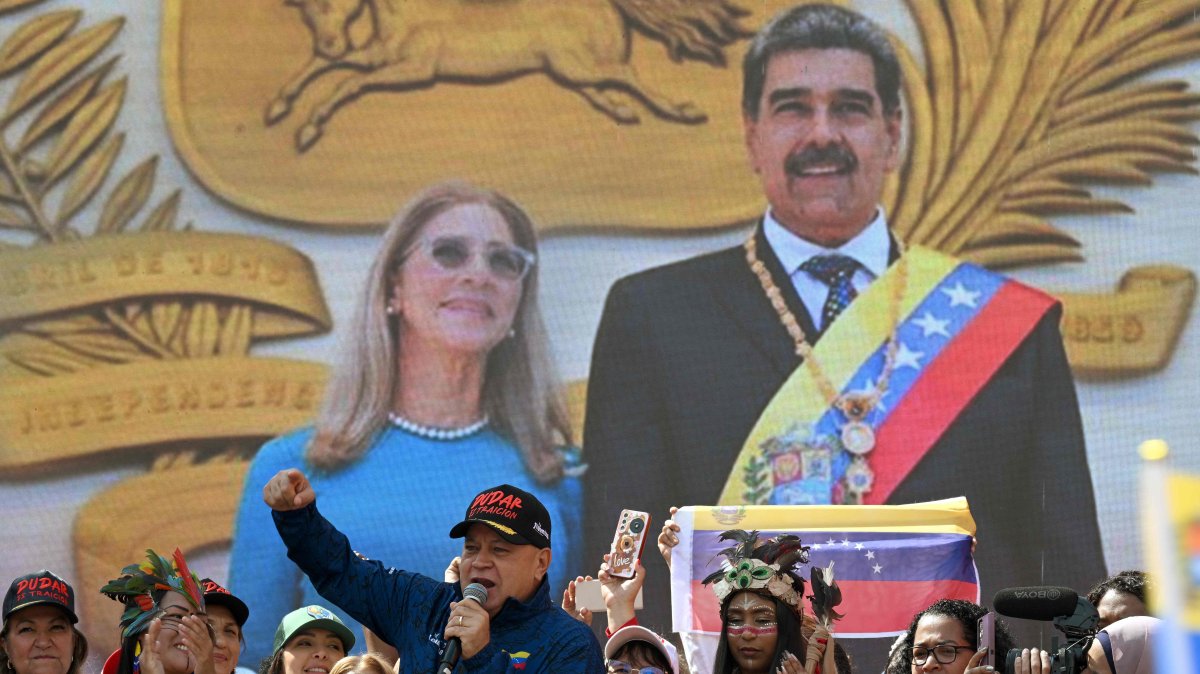
Latin America has occupied an uneasy space in the U.S. worldview, close enough to feel familiar, yet rarely treated as fully autonomous in U.S. strategic thinking. From the Cold War onward, Washington has often approached the region less as a group of sovereign nations and more as an informal sphere of influence. Few countries illustrate this tension more clearly than Venezuela, now officially known as the “Bolivarian Republic.”
Understanding Venezuela’s significance to U.S. policymakers requires unpacking that title. “Bolivarian” invokes Simon Bolivar, the 19th-century revolutionary who spearheaded anti-colonial independence movements across much of northern South America. In contemporary Venezuelan politics, Bolivarianism has come to signify national self-determination, redistribution of wealth, resistance to external control, and regional independence from U.S. dominance. Under Hugo Chavez and later Nicolas Maduro, this ideology materialized in a state-driven economic model, tight control over strategic industries, particularly oil and an openly confrontational posture toward Washington, including during U.S. President Donald Trump’s presidency.
That confrontation intensified during Trump’s first term.
Continue Reading on Daily Sabah
This preview shows approximately 15% of the article. Read the full story on the publisher's website to support quality journalism.