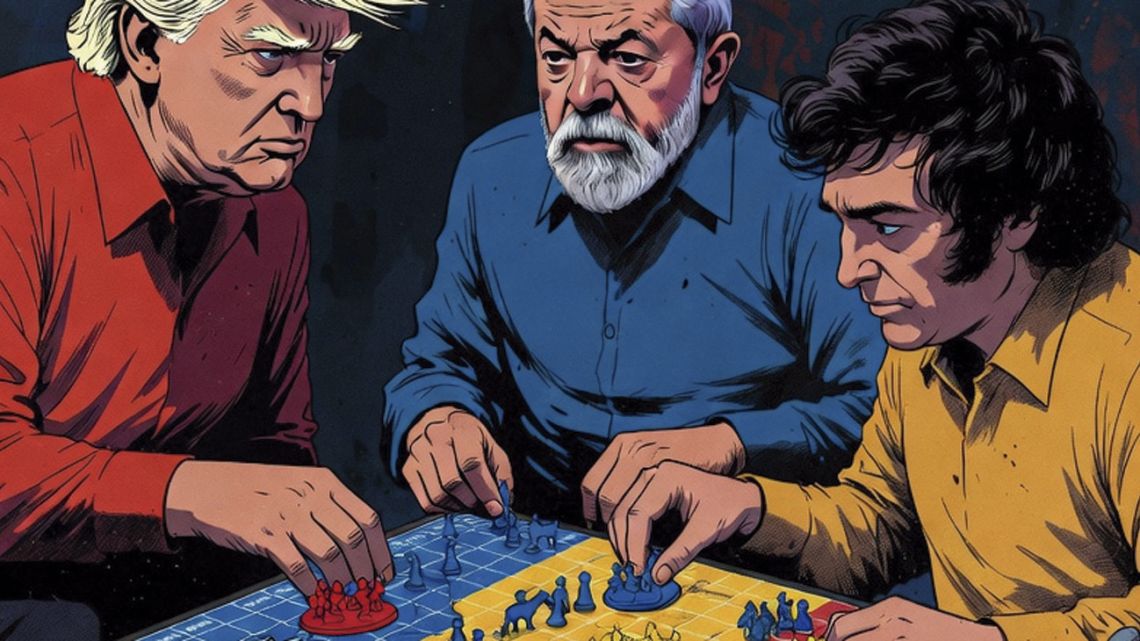
As the dust settles in Latin America after US President Donald Trump ordered the US Armed Forces to snatch Venezuelan dictator Nicolás Maduro and take him to a New York City jail cell to face accusations of narco-terrorism, multiple geopolitical “givens” have been called into question.
First, that the global superpower is trying to impose its will on the Western Hemisphere using whatever means necessary, even a military operation that violates the national sovereignty of another nation. Second, that Trump cares very little for international law or even the US Congress, failing to seek permission from lawmakers to engage in a major military operation, which included the kidnapping of the political kingpin of another nation – one who clearly was a dictator and who illegally retained the Presidency through repression and fear. In addition, the US President had no qualms in stating that the reason he ousted Maduro was none other than the natural resources of Venezuela, namely crude oil, and thus regime change became a secondary objective. Democracy-building appears to have been fully erased from his foreign policy objectives. For Latin America as a region, this opens up a plethora of questions regarding how nations will position themselves against an increasingly aggressive neighbour who happens to contr
Continue Reading on Buenos Aires Times
This preview shows approximately 15% of the article. Read the full story on the publisher's website to support quality journalism.