Once seen as experimental, artificial intelligence technologies are now appearing in cars, consumer electronics, smart home systems and next-generation robotics solutions.
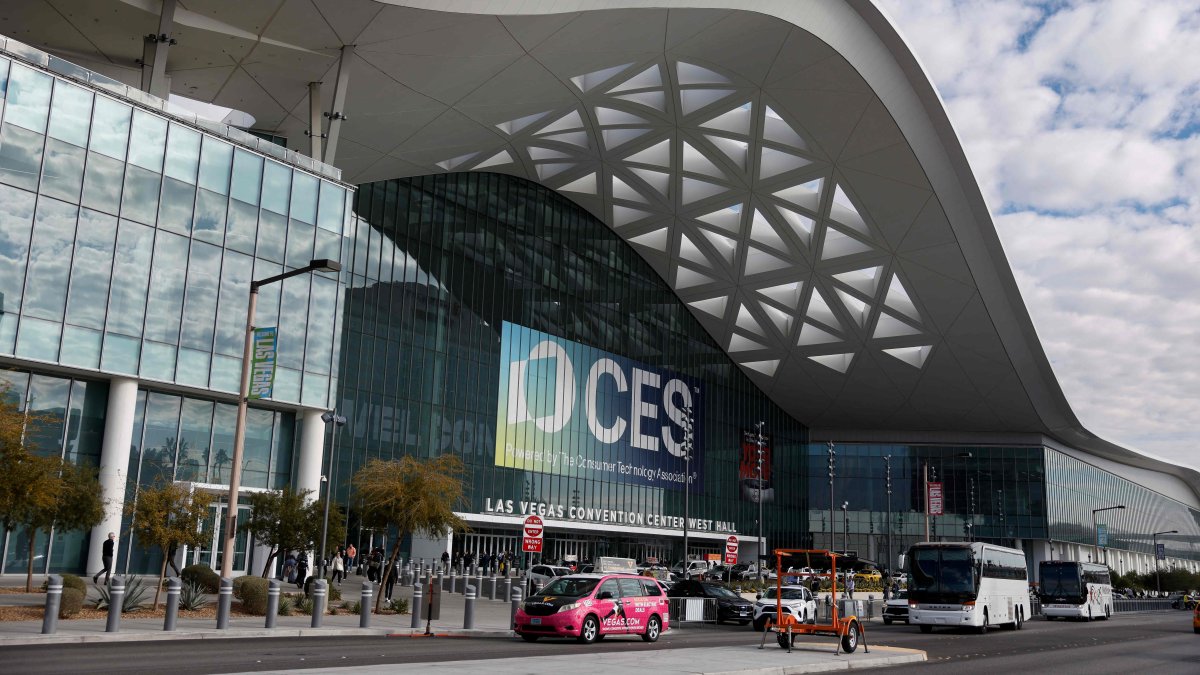
And the world's largest technology fair, CES, has become the event where AI's integration into daily life reached an entirely new depth.
As this year's edition opened its doors in Las Vegas, one of the most attention-grabbing figures onstage was Nvidia founder and CEO Jensen Huang.
In his keynote address, Huang laid out his company's comprehensive vision for the transformation of artificial intelligence and computing.
He highlighted the concept of "physical AI," emphasizing that artificial intelligence has entered a phase where it no longer operates solely in the virtual world but actively enables machines to move, interact with and understand their physical environments.
Within this vision, Huang said Nvidia is repositioning itself from being merely "a chip company" to becoming a full-scale AI systems provider.
Race for AI inference
One of the most striking moments of the presentation was the announcement that the company's next-generation AI platform, Vera Rubin, has entered full-scale production.
Promising five times faster processing performance than previous-generation systems, along with significant cost advantages, the platform aims to make AI training and inference far more efficient.
Huang also introduced a new AI model called "Alpamayo," designed to enable autonomous vehicles not only to process environmental data but also to make decisions in complex traffic situations using human-like reasoning and cognitive abilities.
As part of a collaboration with Mercedes-Benz, the first vehicles powered by Alpam
Continue Reading on Daily Sabah
This preview shows approximately 15% of the article. Read the full story on the publisher's website to support quality journalism.