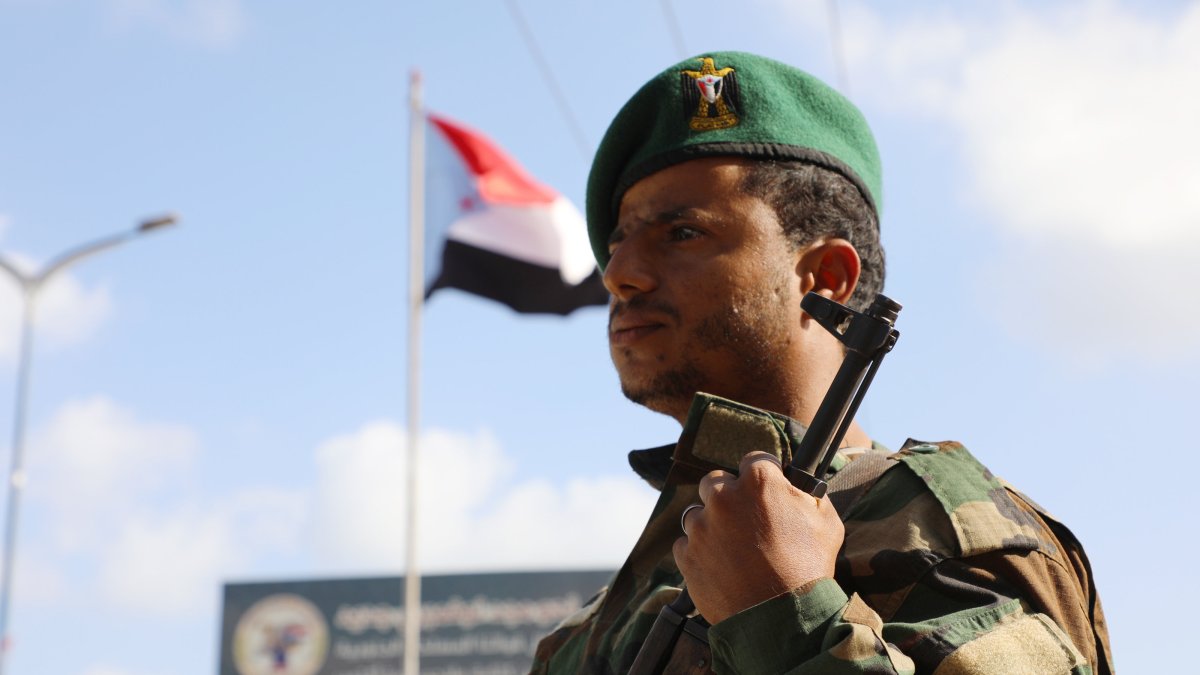
After Saudi Arabia’s bombing of Yemen’s Mukalla port, allegedly used to transfer armed vehicles to the UAE-backed Southern Transitional Council (STC), long-standing fractures within the Saudi Arabia-United Arab Emirates alliance resurface. This alliance, which has historically constituted one of the region’s most enduring strategic blocs, has mostly played an essential role in influencing Middle Eastern affairs. Apart from the Iran-Syria alliance, which finally disappeared following the Syrian Revolution in 2024, the Saudi-UAE alliance remained another long-term alliance in the Middle East. Mostly aimed at curbing Iranian influence, reversing the momentum of the Arab uprisings, and retaining a strong anti-Ikhwan position, this status-quo bloc extended its influence across the Middle East, the Horn of Africa and beyond through a combination of state and non-state alignments.
Fault line of Saudi-UAE bloc
Yet, like other regional alliances, the Saudi-UAE bloc has its own inh
Continue Reading on Daily Sabah
This preview shows approximately 15% of the article. Read the full story on the publisher's website to support quality journalism.