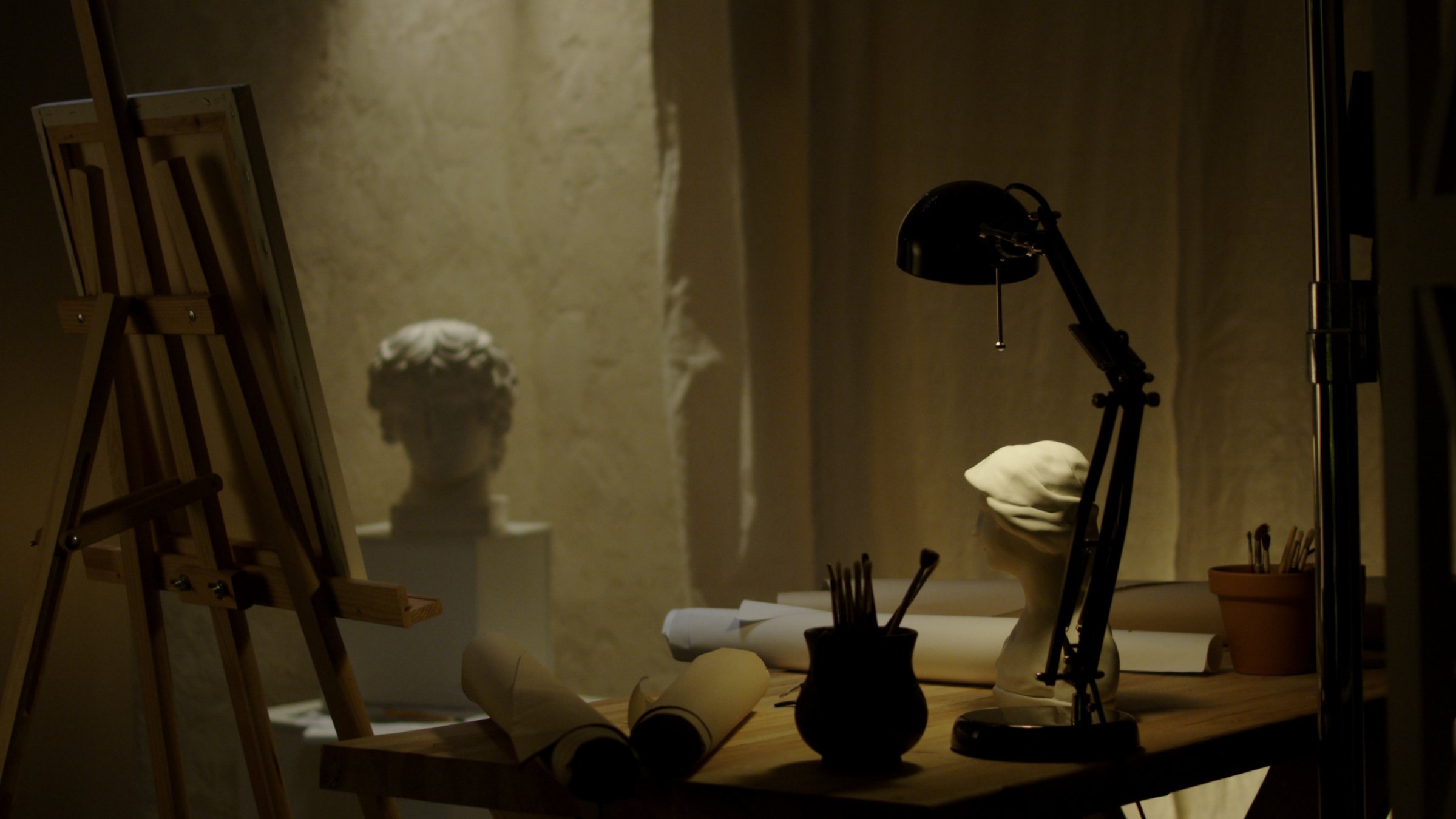
The year 2026 did not arrive with drama, at least in terms of art. There was no manifesto pinned to its door, no radical break loudly announced. It entered almost like any other year, quietly, practically, amid ongoing exhibitions, unfinished studios, open browser tabs and unanswered emails. Yet beneath this apparent ordinariness, something subtle but decisive is taking place. Artists sensed it first, often without naming it: a change in weight. Certain gestures feel heavier, certain silences more meaningful. The question is no longer how to keep up, but how to stay truthful.
For more than a decade, contemporary art has moved at an accelerated pace. Speed became habit, visibility a reflex. To produce was to exist; to pause was to risk being forgotten. Digital platforms rewarded immediacy, while institutions adapted to constant circulation. Over time, this rhythm normalized a kind of exhaustion, one that neither spectacle nor innovation could fully conceal. By the time we reach 2026, the fatigue is no longer individual. It has become structural.
What distinguishes this moment is not a rejection of technology or a retreat into nostalgia. It is a reordering of priorities. Art begins, once again, to ask what it is responsible for. Not simply what it can do, but what it should hold, protect, question or refuse.
Continue Reading on Daily Sabah
This preview shows approximately 15% of the article. Read the full story on the publisher's website to support quality journalism.