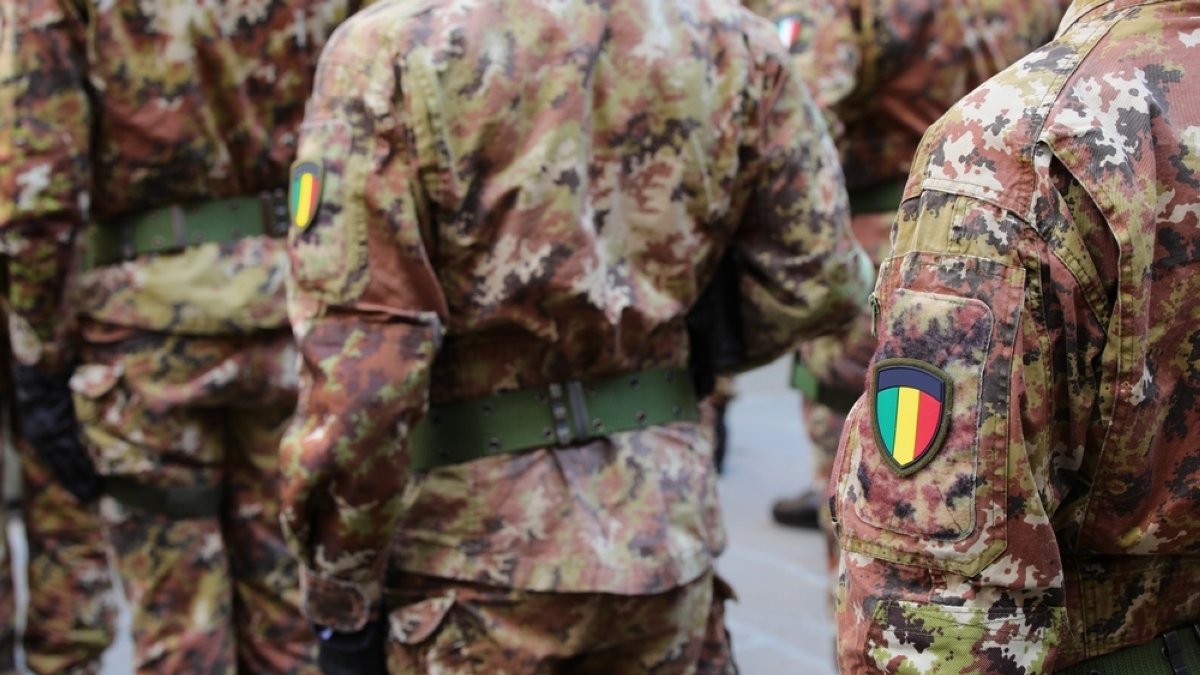
Following Malian President Assimi Goita’s seizure of power in 2021, Mali embarked on a strategic transformation by expelling French and U.N. forces from the country. Although this shift was widely considered risky given the region’s fragile security architecture, the Malian government has sought to reshape the regional security paradigm through new partnerships. In this context, Mali has continued its fight against terrorist organizations by engaging in security-based cooperation with countries such as Russia, China and Türkiye.
Terrorism in Sahel
According to the Global Terrorism Index, the Sahel region has emerged as the area experiencing the highest concentration of terrorist attacks and terrorism-related deaths worldwide. In this regard, two terrorist organizations stand out: Jama’at Nusrat al-Islam wal-Muslimin (JNIM), affiliated with al-Qaida, and the Daesh branch in the Sahel. In addition, the separatist group known as the Azawad Liberation Front (FLA), formed by members of the Tuareg ethnic group, is also active in the region.
The JNIM emerged in March 2017 when four terrorist groups operating in Mali, Ansar al-Din, al-Murabitun, the Macina Liberation Front (MLF) and al-Qaida in the Islamic Maghreb (AQIM), announced their merger. Since 2017, the organization has carried out attacks primarily in Mali and Burkina Faso. The group generally targets military bases and vehicles, while simultaneously conducting propaganda activities among local populations under the guise of religious preaching, aiming to present itself as a socially legitimate actor. In this sense, the JNIM is not only in conflict with the Malian government but is also competing with another terrorist organization, Daesh. In 2025, the JNIM’s attacks have increasingly taken on a more strategic character.
Risk of terrorism
Continue Reading on Daily Sabah
This preview shows approximately 15% of the article. Read the full story on the publisher's website to support quality journalism.