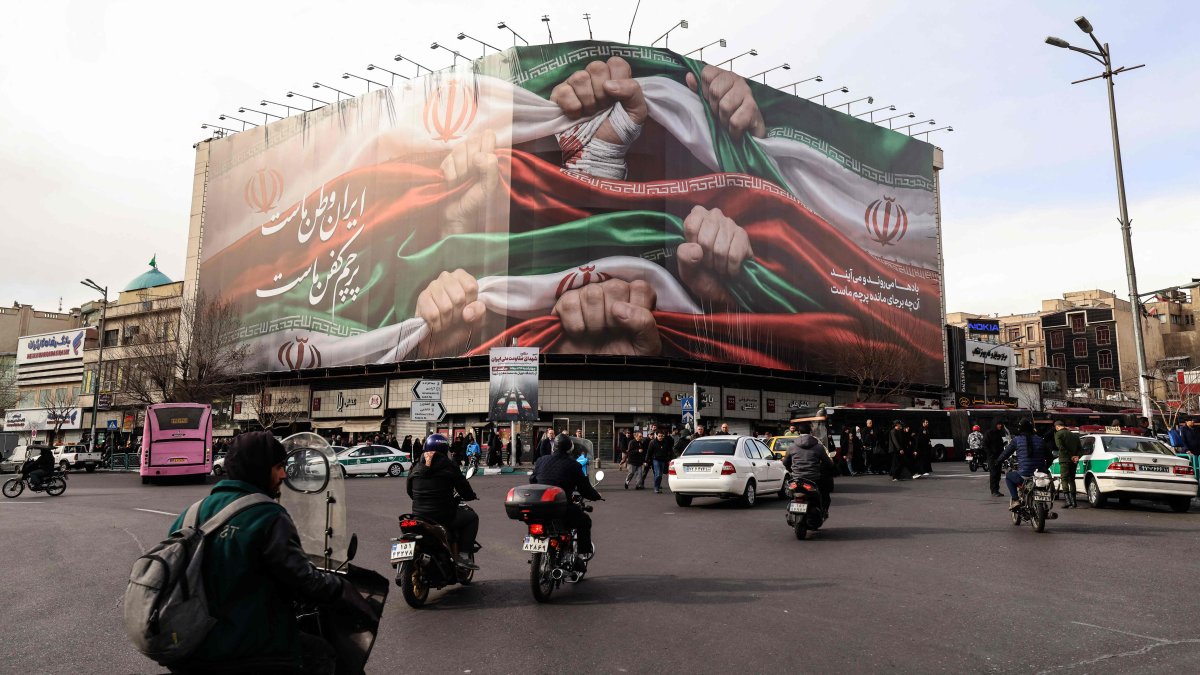
For more than three weeks, clashes between protesters and security forces have been continuing in Iran. Protests that began with economically based demands quickly took on an anti-system character and have now become something discussed entirely within a political and security framework. Of course, Iran’s domestic political issues have rarely been isolated from foreign policy. The possible regional geopolitical outcomes of these actions, such as the protesters’ foreign political connections and the on-the-ground presence of the U.S. and Israel, which they make no effort to conceal, are of considerable importance for the region.
Oct. 7, 2023, has now become a historical moment that signifies the reconfiguration of the regional equation. Israel’s destructive actions represent a fundamental challenge to the region’s search for stability and security. Today, compared to the early phases of the Abraham Accords process, a rigid anti-Israel atmosphere prevails in the region. When one looks at the wreckage of collapsed states such as Libya, Syria, Lebanon and Iraq, it is an anti-Israel stance guided by this frightening picture that alarms regional powers.
In Iran, it is not only protesters and security forces who are clashing in the protests.
Continue Reading on Daily Sabah
This preview shows approximately 15% of the article. Read the full story on the publisher's website to support quality journalism.