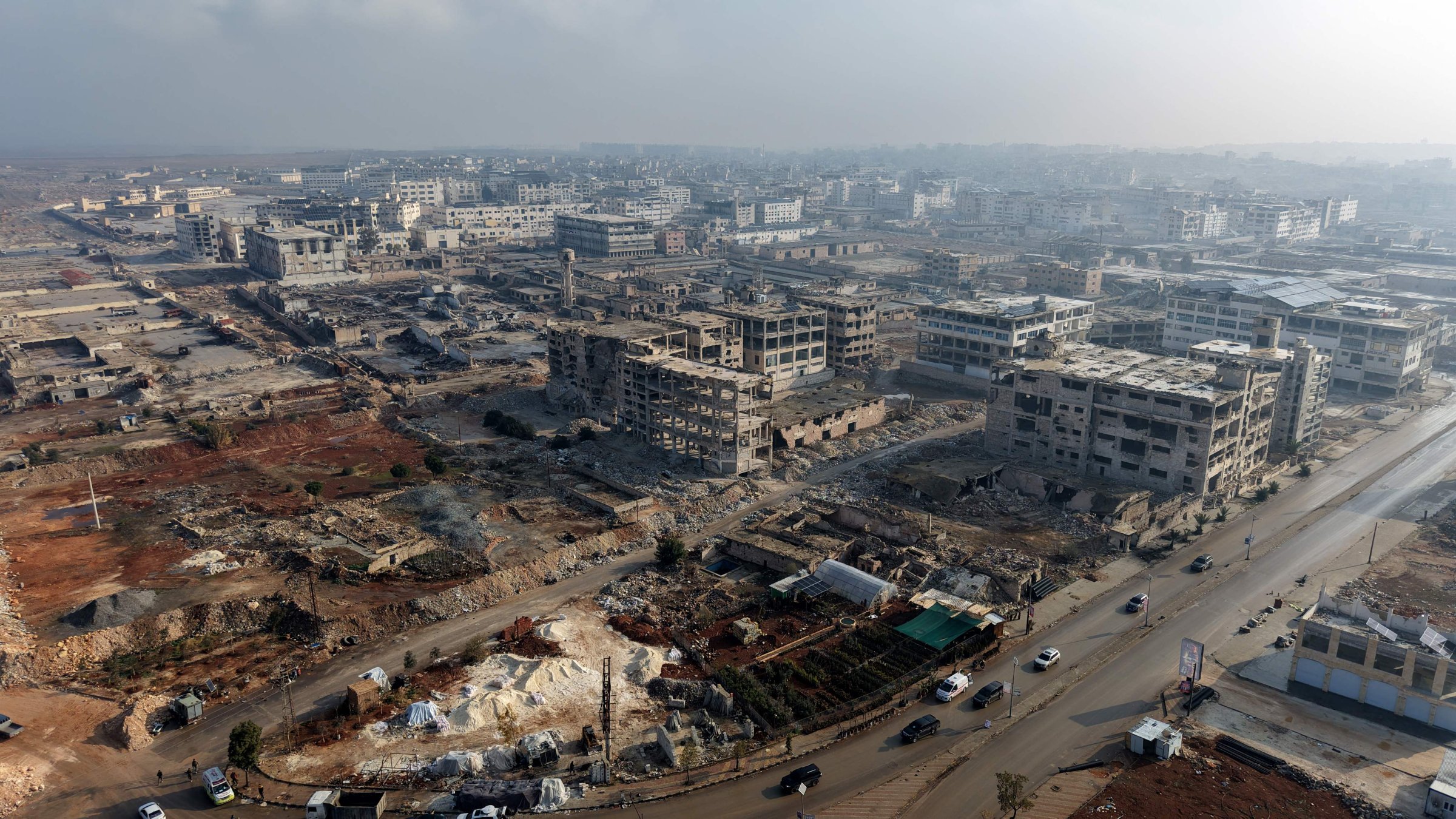
I am writing from Damascus. I returned here after 13 years of absence, and I do not believe it is necessary to explain the reason. Like millions of Syrians, I fled my country and was forced into exile because of the crimes of the Assad regime.
Today, as Syria is free, the prevailing discourse focuses on the reconstruction of the country and its future, a Syria that belongs to all Syrians. In reality, there is no time to waste on distinctions between Muslims and Christians, Kurds or Druze, because all aspire to a strong, unified and prosperous Syria. This statement concerns the genuine Syrian citizen and does not, under any circumstances, refer to advocates of separatist projects or remnants of armed factions.
Bashar Assad did not act alone. He was supported by states such as Iran and Russia, as well as by coalitions and parties, notably Hezbollah. He also benefited from the support of ethnic groupings driven by the pursuit of material and personal gains, or motivated by sectarian considerations that the regime cultivated for more than 50 years. By way of example, one can cite certain Armenian groups in Aleppo, particularly structures linked to the PKK.
At the beginning of the revolution, Assad established a militia known as the “Popular Protection Committees” to suppress protesters. In predominantly Kurdish areas, this formation was called the “Kurdish Protection Committees” before later becoming the “People’s Defense Units.” Their mission was to repress demonstrat
Continue Reading on Daily Sabah
This preview shows approximately 15% of the article. Read the full story on the publisher's website to support quality journalism.