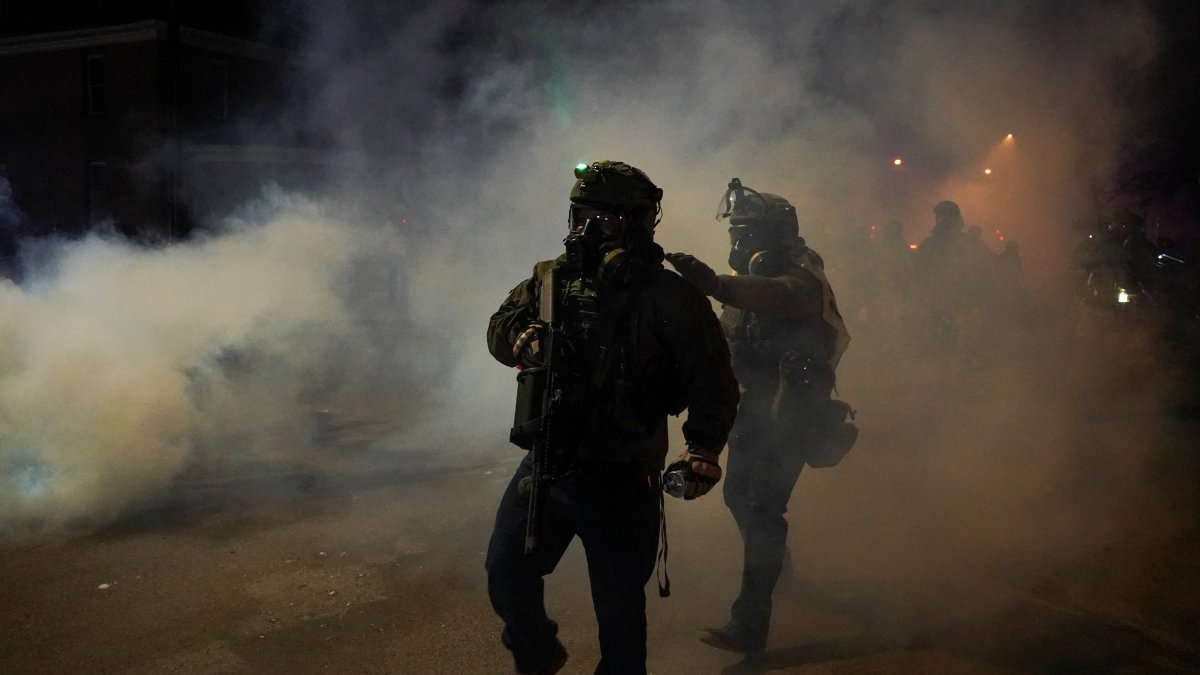
Protests directed against the U.S. Immigration and Customs Enforcement (ICE) may appear, on the surface, to be a debate over immigration policy. In reality, however, they carry a far deeper political and international significance. These protests are not merely objections concerning the status of undocumented migrants. They constitute part of a broader struggle over the relationship between security and the state, human rights norms and America’s claim to global leadership. Rather than viewing these protests solely as reactions confined to U.S. domestic politics, they should also be read as symptoms reflecting the transformation of the global order.
As the second Trump administration approaches the end of its first year, it is evident that collective anxiety, fear and frustration regarding the increasingly authoritarian trajectory of Washington are intensifying.
Foundations of protests
At the core of the protests lies the question of how rights are defined. The primary dynamic here consists of allegations of human rights violations. Conditions in detention centers, the separation of children from their families and limited access to legal procedures create an explicit contradicti
Continue Reading on Daily Sabah
This preview shows approximately 15% of the article. Read the full story on the publisher's website to support quality journalism.