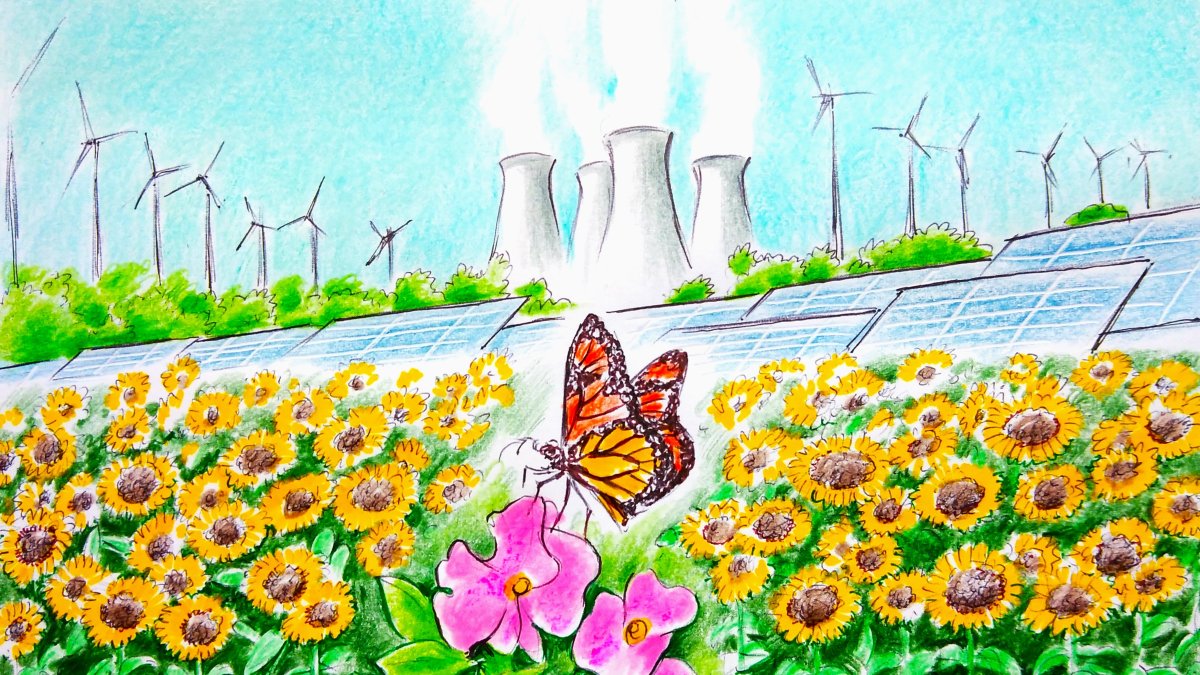
As Türkiye enters 2026, it is trying to manage three sources of pressure simultaneously in the energy sector. Electricity demand is growing rapidly. Supply security is fragile; dependence on imported natural gas, in particular, poses a risk. There is also a need for transformation in line with the 2053 net-zero target. Energy and Natural Resources Minister Alparslan Bayraktar explains this pressure with figures: “Today we consume approximately 350 TWh. We expect 1000 TWh in 30 years.” This statement highlights why all options, including nuclear, are once again on the table. Because the issue is no longer how many power plants. It is whether we can meet growing demand with a lower-carbon emission and a more resilient system.
In this context, nuclear energy is positioned not as a “sole solution” in Türkiye's energy mix, but rather as a tool that can fill several critical gaps in the system. The first gap is the need for “firm capacity” that can guarantee uninterrupted production when demand arises. Wind and solar power are growing rapidly in Türkiye. This growth is positive. However, because production depends on meteorology, the grid's need for balancing, reserve capacity and flexibility is also increasing at the same pace. Therefore, in policy terms, nuclear is seen as an option that can provide “backbone” production with a high capacity factor and contribute to system reliability.
The second gap i
Continue Reading on Daily Sabah
This preview shows approximately 15% of the article. Read the full story on the publisher's website to support quality journalism.