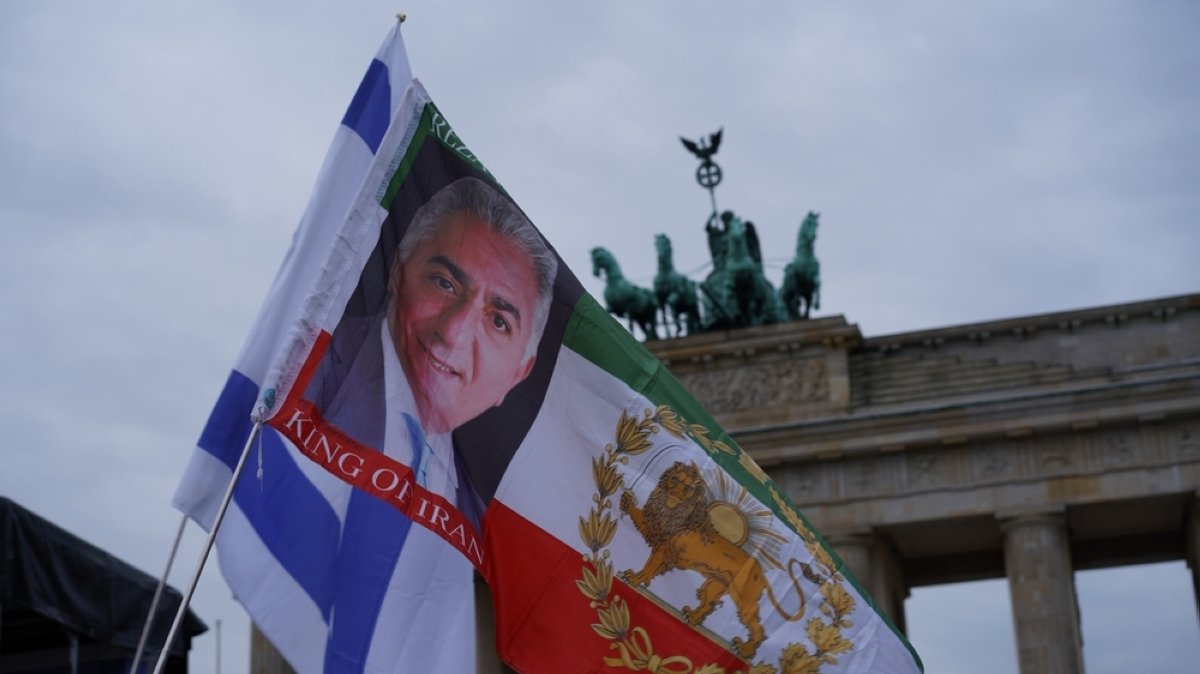
Understanding today’s Iran requires looking beyond its borders, toward the Iranian diaspora in the West. The political struggles shaping Iran today did not emerge overnight, nor are they confined to the country’s borders. They are the product of a long and unfinished power struggle that began with the 1979 Revolution.
The revolution itself was carried out by a broad coalition of conservatives, leftists and liberals who, at least initially, shared a common goal: overthrowing the Shah. Yet, this alliance proved short-lived. Once in power, Shiite clergy consolidated control, sidelining and criminalizing their former partners. Those who had helped pave the way for Ayatollah Ruhollah Khomenei’s rise were either imprisoned, eliminated or forced into exile.
Exile, however, did not mean political irrelevance. On the contrary, these groups reorganized abroad, forming ideologically driven and well-connected diaspora networks. Over time, they built powerful lobbying structures in Europe and the United States, aiming not only to oppose the Islamic Republic but ultimately to reclaim Iran itself. As their political, economic and intellectual capital expanded, so did their influence on Western policy debates surrounding Iran.
For Iran, the diaspora has functioned as both an opportunity and a threat. While the Iranian state has attempted to instrumentalize the diaspora ideologically and economically, it has also been forced to defend and redefine itself against the international struggle carried out by regime-opposi
Continue Reading on Daily Sabah
This preview shows approximately 15% of the article. Read the full story on the publisher's website to support quality journalism.