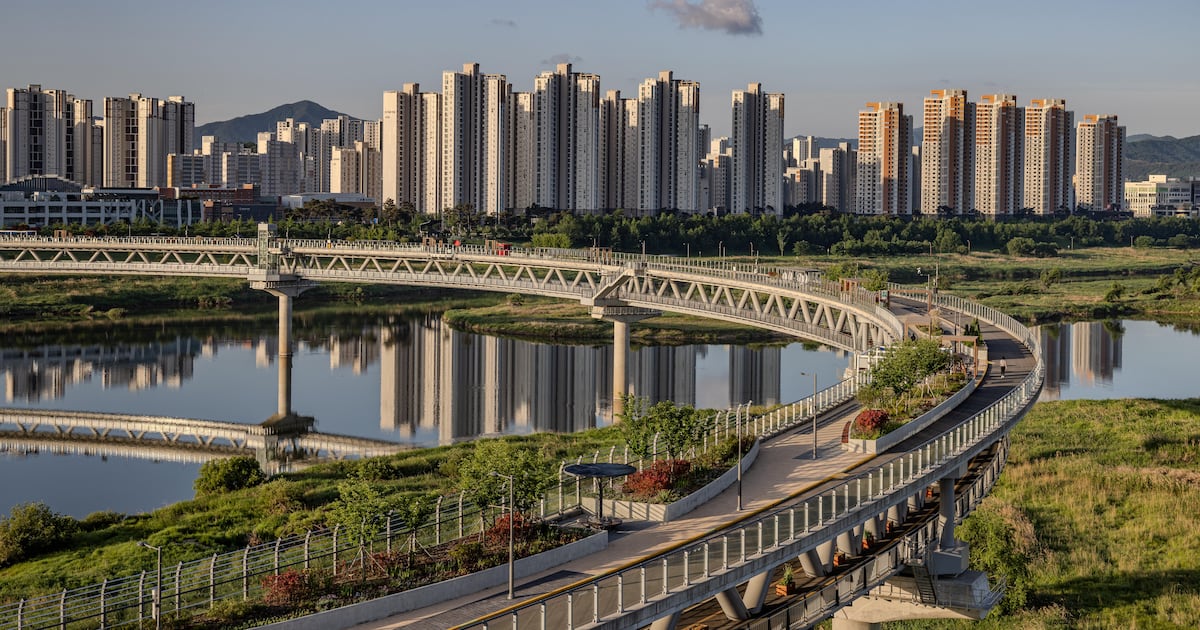
Sejong City is not a place most travellers plan a trip around. It has no centuries-old shopping streets, no postcard skyline, no obvious must-see sights. That is largely by design.
Conceived just over a decade ago as South Korea’s administrative capital, Sejong exists to solve a problem rather than sell itself – specifically, the overwhelming concentration of people, power and resources in Seoul, located 121km away.
For visitors, that can make it feel elusive at first. But spend 48 hours here and a different appeal emerges. Sejong is less about spectacle and more about systems: how cities function, how people move and how culture is woven into daily life. In that sense, it feels less like a destination and more like a prototype – one that future cities would do well to study.
Understanding the why
The most direct way into Sejong is through its purpose. At City Hall, I join an international press roundtable with Mayor Choi Min-ho, who helped plan the city long before he was elected to run it. Thirteen years ago, he explains, this area was mostly rice paddies and open fields. Today, Sejong is home to close to 400,000 residents.
A view of the city from Sejong Lake Park, with the curved facade of the Sejong National Library in the foreground.
Continue Reading on The National UAE
This preview shows approximately 15% of the article. Read the full story on the publisher's website to support quality journalism.