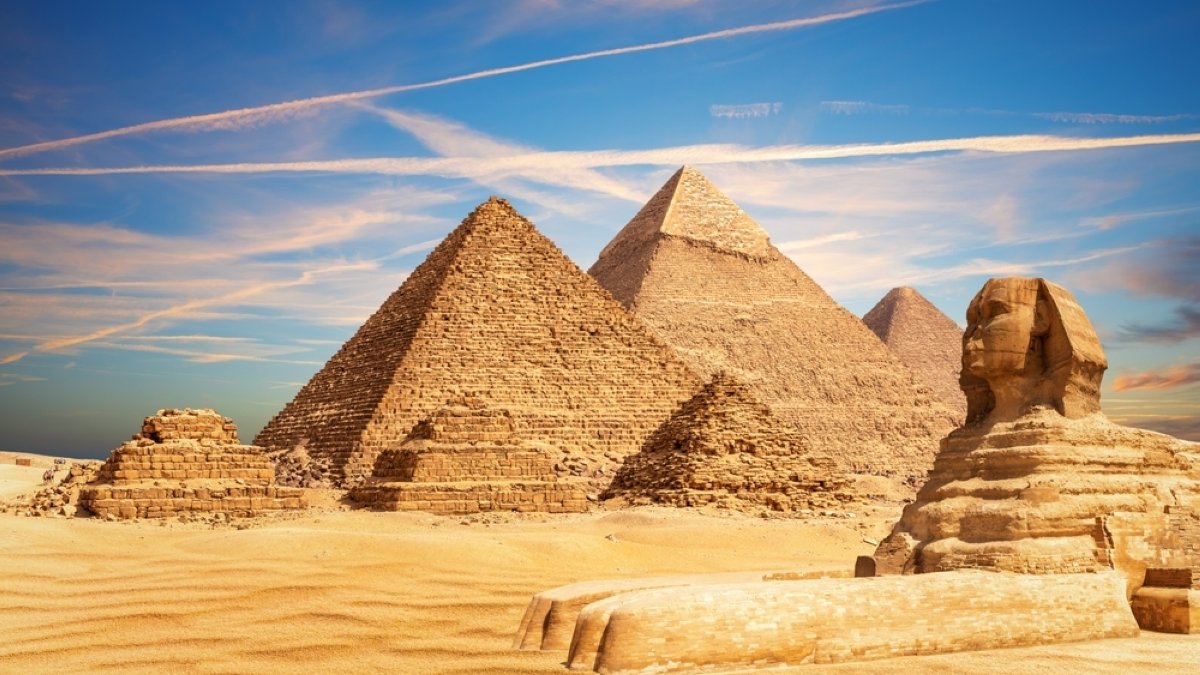
Cairo is not a city one simply visits; it is a city that confronts you. History here is the most dominant figure. The pyramids do not merely rise from the desert; they occupy the collective psyche of the nation, standing as permanent reminders of a civilization that once mastered time, symbolism and the architecture of eternity itself. Yet, we confront a big problem in Cairo: Five thousand years later, Egypt still lives beneath that monumental shadow.
As an artist and art historian walking through Cairo, I am struck less by the overwhelming presence of history than by a troubling absence: the absence of a confident, visible and institutionally supported modern and contemporary art ecosystem. This absence is not coincidental. It is structural, psychological and deeply civilizational. I can tell Egypt has not lost its artistic capacity, but has lost its relationship with the present.
Civilizations do not fade because they are defeated militarily or impoverished economically; they fade when they stop producing new meanings. Modern and contemporary art are precisely the mechanisms through which societies articulate meaning in real time. When these mechanisms fail to operate, the problem is not a lack of talent, but a systematic refusal of risk.
Continue Reading on Daily Sabah
This preview shows approximately 15% of the article. Read the full story on the publisher's website to support quality journalism.