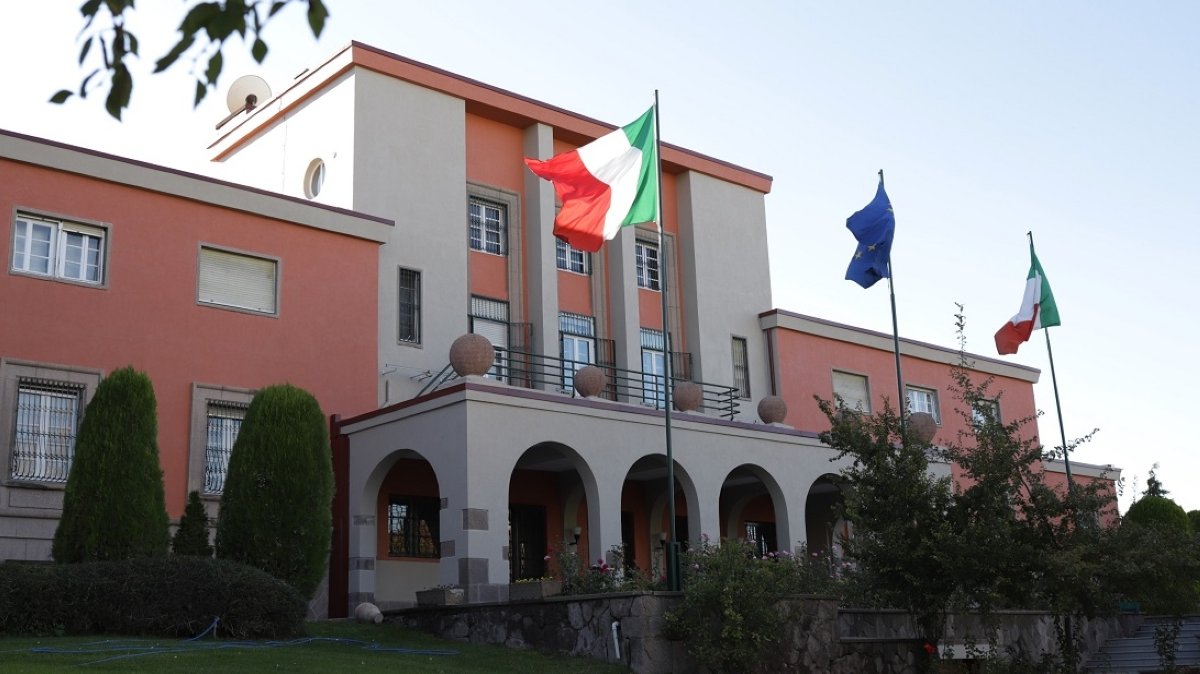
The book “Segni di Diplomazia. Gli edifici della Rappresentanza Italiana in Turchia" ("Signs of Diplomacy. The Italian Embassy in Türkiye") grew out of a simple yet ambitious idea: to consider Italian architectural heritage not merely as a collection of buildings, but as a living archive of the long-standing relationships between Italy and Türkiye. This perspective was shared from the beginning, some years ago, by me, as an academic expert in the history of architecture, and my co-editor, Mario Magnarelli, an architect and restorer who was also professionally involved in the restoration of some of the buildings presented in the book, bringing direct, hands-on experience into the project.
Over centuries, Italian architects, engineers, artists and institutions have left tangible traces in the urban fabric of Turkish cities, particularly in Istanbul and Ankara. These traces are often familiar to the eye but less so to memory. The aim of the project was therefore double: On the one hand, to document and study a significant selection of buildings connected to the Italian presence in Türkiye, focusing specifically on those that still belong to the Italian State; on the other, to reflect on their deeper symbolic meaning as instruments of dialogue, representation and cultural exchange.
From the very beginning of the project, we received the full support of the former Italian Ambassador to Türkiye Giorgio Marrapodi, who immediat
Continue Reading on Daily Sabah
This preview shows approximately 15% of the article. Read the full story on the publisher's website to support quality journalism.