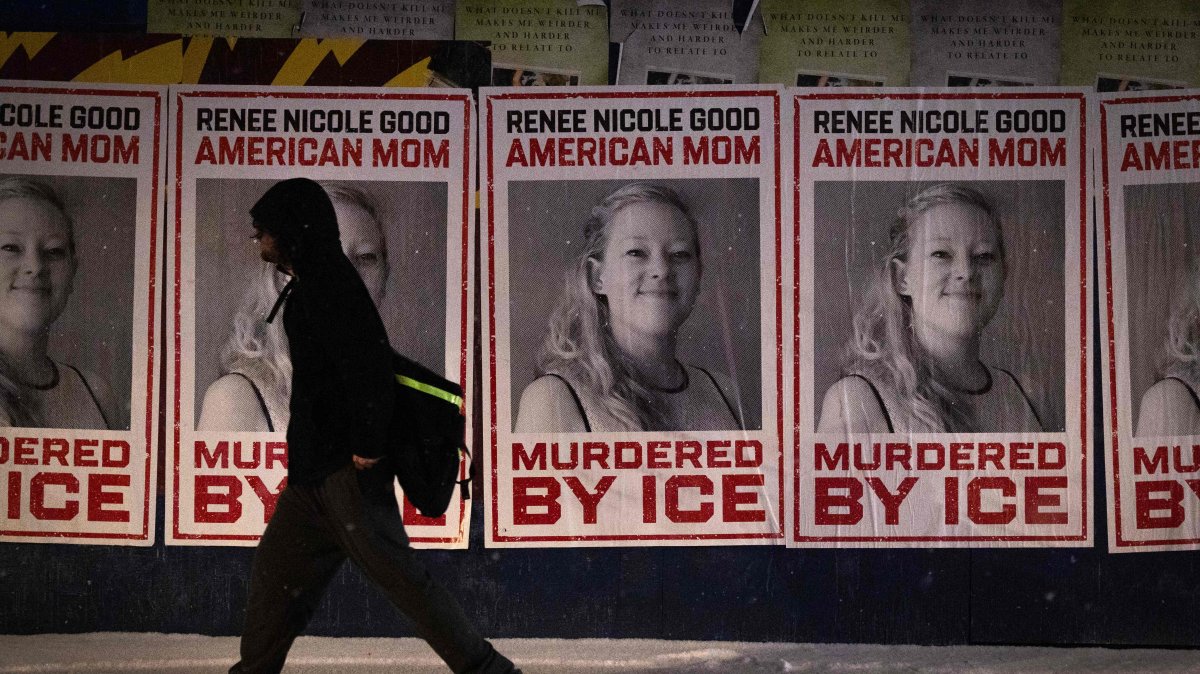
The gunshot that echoed through Minneapolis on the morning of Jan. 7 signaled more than the tragic loss of Renee Nicole Good. It marked a profound rupture in the pact of modern urban governance. A mother and poet, Good was killed during a federal immigration enforcement operation in her own neighborhood.
In the days following the shooting, the protests rapidly escalated from localized grief to a city-wide outcry, drawing thousands into the freezing streets. The state’s response was swift and militarized. Neighborhoods were blanketed in tear gas, and heavy-handed crowd control tactics turned residential blocks into friction zones. Despite this overwhelming show of force, the public sentiment has shifted from shock to resolute anger.
Central to this resistance are the women of Minneapolis, who have emerged as the moral backbone of the movement. Standing on the front lines against federal agents, they have transformed chaotic clashes into organized acts of civil disobedience, shielding their community and demanding accountability in a city that feels increasingly under siege.
Some things must be understood
The killing of Good represents a crisis too va
Continue Reading on Daily Sabah
This preview shows approximately 15% of the article. Read the full story on the publisher's website to support quality journalism.