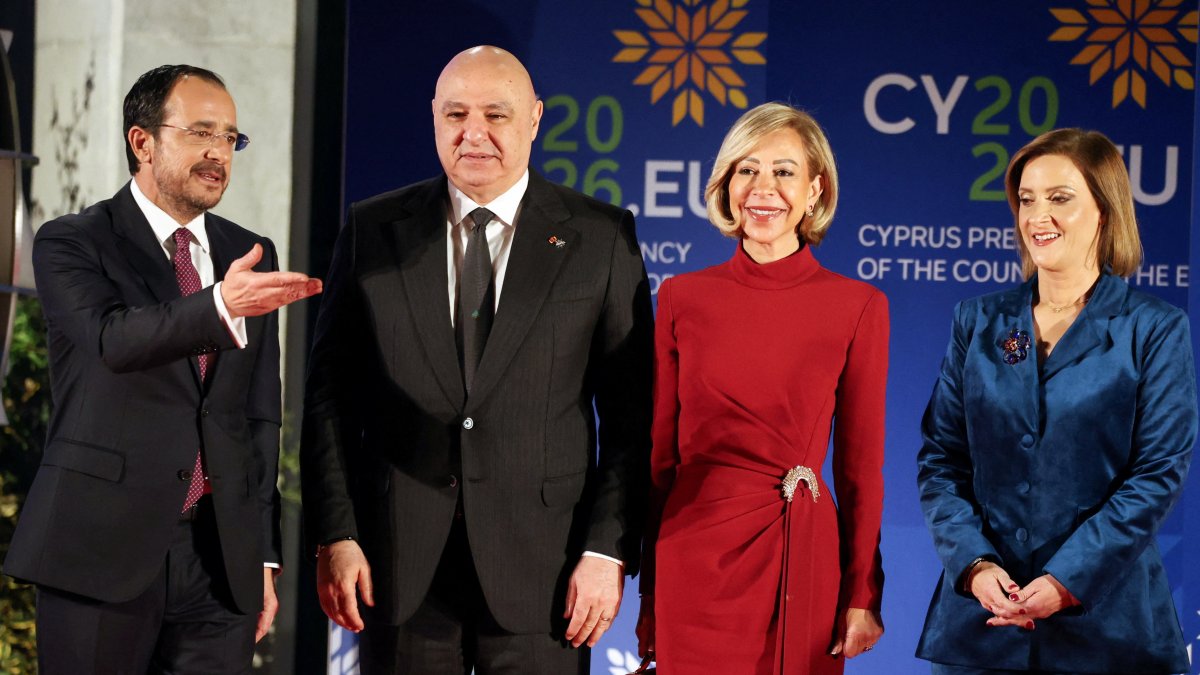
When Lebanese President Joseph Aoun traveled to the Greek Cypriot administration on Jan. 7, 2026, the visit was presented as a routine diplomatic engagement reflecting growing bilateral ties. The meetings took place shortly after the Greek Cypriot administration assumed the rotating presidency of the European Union Council, and the symbolism was carefully managed. Lebanese officials spoke of friendship, cooperation and renewed engagement with Europe.
Yet this visit, and the maritime agreement signed weeks earlier between Lebanon and the Greek Cypriot side, point to a bigger and more consequential change in Lebanon's diplomatic relations. Lebanon is not merely settling a technical dispute or opening a door to energy exploration. It is slowly repositioning itself within a regional order shaped by Western priorities and Israeli security interests, at a time when its own political and economic weakness limits its room for maneuver.
This transition accelerated after the presidential change in January 2025 and the formation of a new Cabinet that quickly established close working relations with Washington and European capitals. In this new political environment, decisions that once required long internal debate are now framed as urgent necessities.
Economic urgency, limited narrative
The maritime agreement between Lebanon and the Greek Cypriot administration defines a boundary at sea a
Continue Reading on Daily Sabah
This preview shows approximately 15% of the article. Read the full story on the publisher's website to support quality journalism.