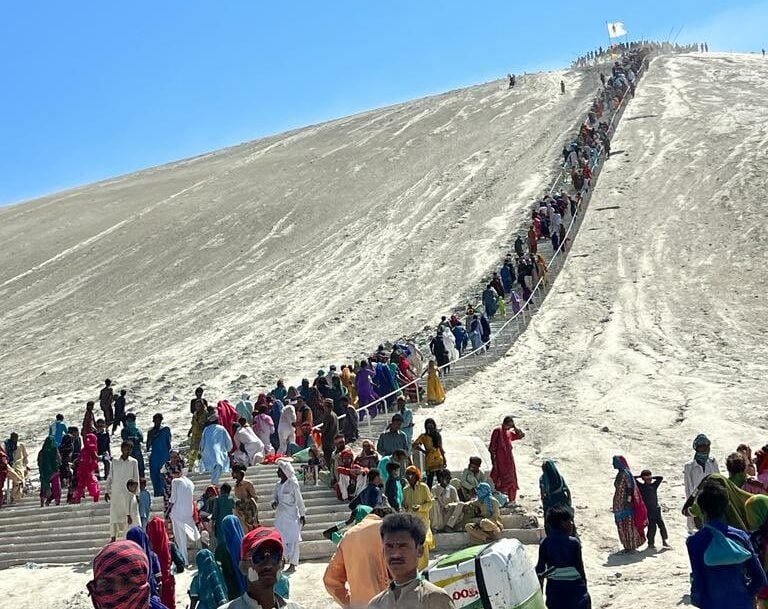
In Pakistan, the Hindu minority lives largely in Sindh and southern Punjab, with smaller pockets in Balochistan and Khyber Pakhtunkhwa. There are estimated to be over five million Hindus (including both Jati and Scheduled Caste communities), making them the largest non-Muslim minority in the country.
Jati groups such as Brahmins, Rajputs, Thakurs, Lohanas, and Maheshwaris tend to be more urban and influential, often active in business, medicine, or law. Scheduled Castes, legally designated in the mid-twentieth century, include Meghwar, Kolhi, Bheel, Oad, Bagri, Balmiki, and others.
They are the majority of Pakistan’s Hindus, yet they face layered disadvantage: religion places them at the margins of the national majority, and caste places them at the margins of Hindu society itself. Seats reserved for Hindus in government rarely reflect this lower-caste majority, and literacy among Scheduled Caste women remains among the lowest in South Asia.
Among the cultural traditions affected by these social and political pressures is Hindu sacred music. It has deep roots in the Indus region. The ancient concept of nada brahma, the idea that creation itself is sonic, still informs devotional practice.
The foundations of Hindu music lie in Vedic literature, where syllabic chanting, melody, and movement coalesced into sangeeta.
Continue Reading on The Express Tribune
This preview shows approximately 15% of the article. Read the full story on the publisher's website to support quality journalism.