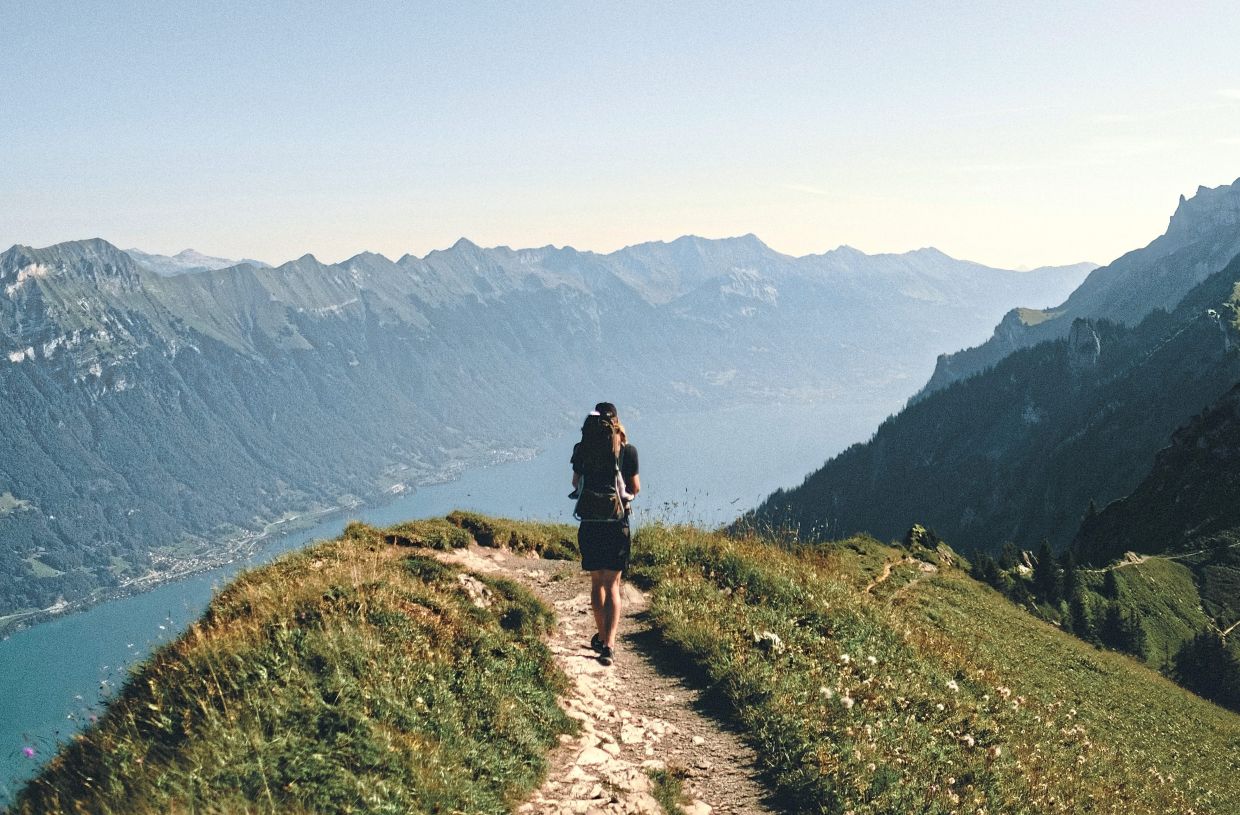
Ticking off a checklist of attractions, joining large group tours, having everything planned out – this is the norm for most travellers.
But while this style of travel has its perks, it also comes with restrictions, especially when it comes to schedule flexibility.
Whether in a group or by themselves, travellers who follow a scheduled itinerary – which is normally packed from morning to night – leave little room for last-minute changes or the chance to slow down when they want to.
Holidaymakers today are shifting gears. Many are embracing the slow travel trend, travelling “purposefully” and taking the time to immerse themselves into whatever situation or environment that surrounds them.
No one knows exactly when the term “slow travel” was first coined. Some believe it traces its roots to the broader “slow movement”, which emerged in Italy in the 1980s alongside the “slow food” movement.
Founded by activist Carlo Petrini in response to fast-paced, convenience-driven lifestyles, the slow movement advocated quality over speed, emphasising tradition, local culture and a deeper connection to place.
Over time, these ideas gained traction among travellers, influencing the way people explore new places. Slow travel evolved into a mindset that valued meaningful experiences and deeper cultural engagement, encouraging travellers to take their time rather than rush from one destination to the next.
Langkawi is more than just islands and beaches, as it has many nature spots to explore. — Photos: MUHAMMAD FAHIM MOHAMAD NAZERI
Today, the trend is evident in the growing preference for travelling in smaller groups, as well as going solo, both of which allow for deeper
Continue Reading on The Star Malaysia
This preview shows approximately 15% of the article. Read the full story on the publisher's website to support quality journalism.