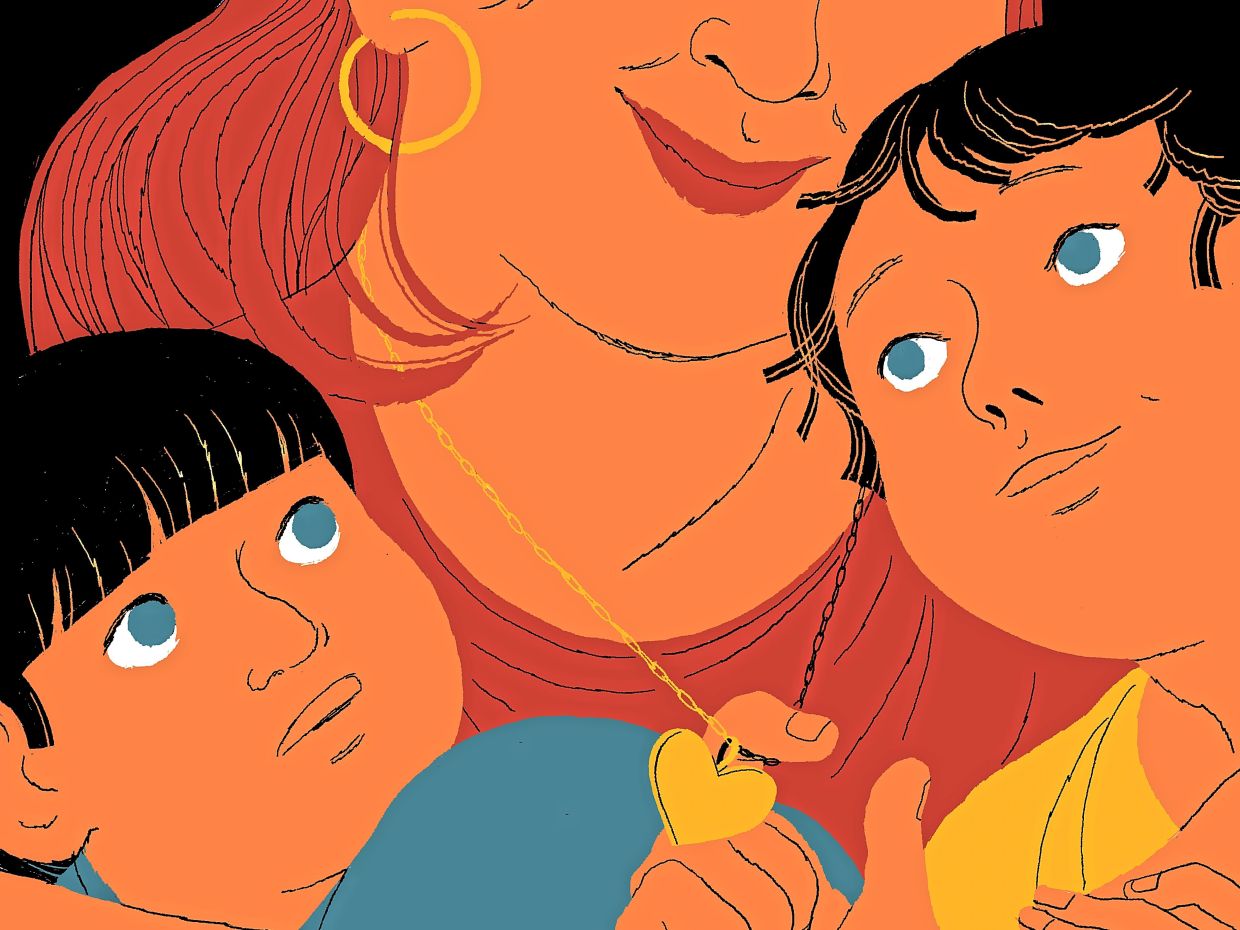
As a child, Kara never thought of her parents as the types to play favourites.
Her youngest siblings always enjoyed extra attention and special privileges, like trips to Disneyland, but she had rationalised the behaviour: The oldest children are meant to be more independent, she thought, and her parents probably had more money for vacations after she moved out.
But as she and her siblings grew up – and the special treatment continued – the evidence became glaring. Two years ago, when her parents called to say they planned to spend the holidays with her sisters, once again, and would not be flying to visit Kara and her children on Christmas, she had a moment of clarity.
“Suddenly it struck me that maybe there wasn’t a justification,” said Kara, who requested that her last name not be used to protect her family’s privacy. “Maybe those kids were always going to be the favourites.”
Kara came to resent that her parents overlooked her own children the same way they overlooked her. “Two generations of rejection,” she called it.
And despite her best efforts to let go of the resentment and disappointment, the inequity affected her
Continue Reading on The Star Malaysia
This preview shows approximately 15% of the article. Read the full story on the publisher's website to support quality journalism.