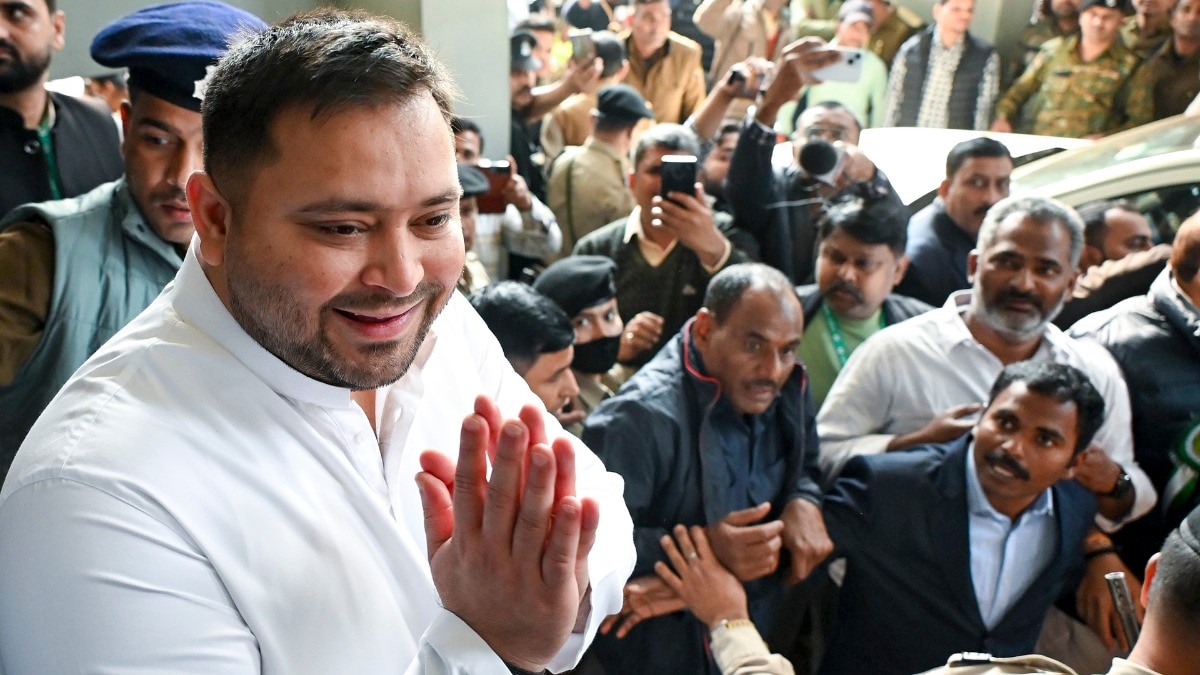
When the Rashtriya Janata Dal (RJD), on January 25, elevated Tejashwi Yadav to the post of national working president, the decision was pitched as both natural and necessary. Natural because his father Lalu Prasad Yadav, the party’s towering founder, is no longer in the best of health to run the party’s daily affairs. Necessary because a party demoralised by the Bihar assembly election rout requires a visible centre of command.
advertisement
Yet in politics, inevitability is often mistaken for renewal. In this case, 36-year-old Tejashwi’s elevation risks formalising stagnation rather than inaugurating transformation, say analysts.
The timing itself is awkward. Only months ago, Tejashwi led the RJD into its worst assembly election performance in more than a decade. The party’s tally collapsed from 75 seats in 2020 to just 25, a defeat so severe that it stripped the RJD of its claim to be a natural contender for power in Bihar. Promotions after victory consolidate authority; promotions after routs demand introspection. What Bihar has witnessed instead is consolidation without contrition.
Tejashwi’s dominance within the RJD is not new.
Continue Reading on India Today
This preview shows approximately 15% of the article. Read the full story on the publisher's website to support quality journalism.