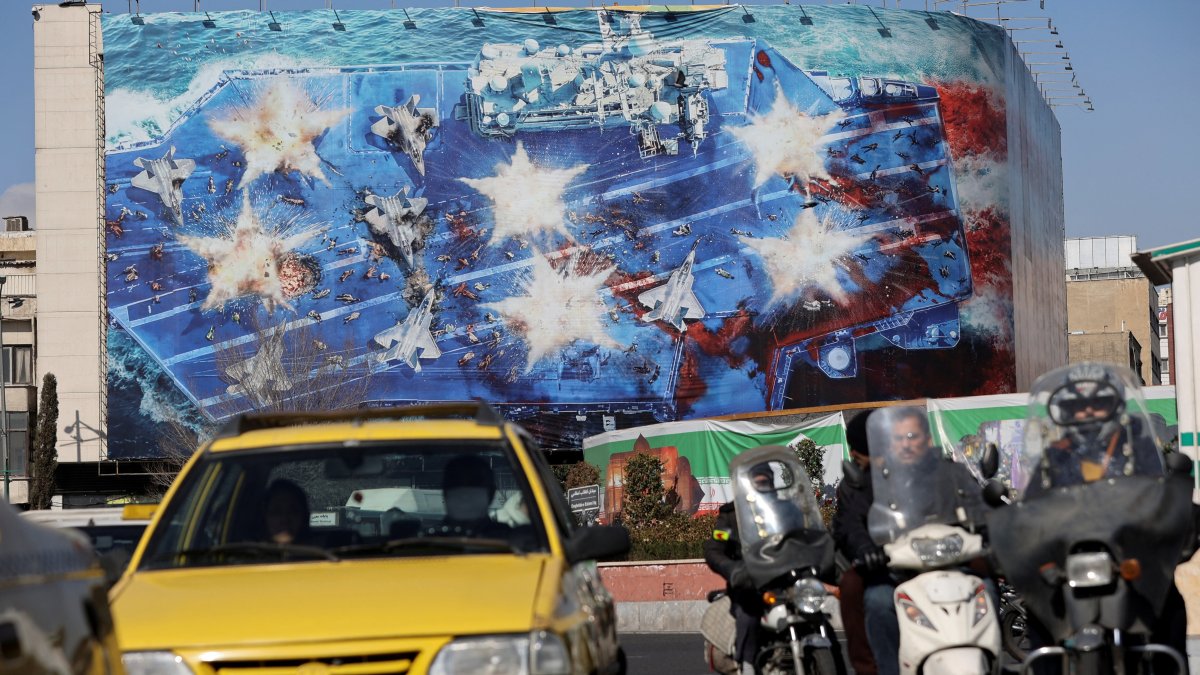
The protests that began on Dec. 28, 2026, have taken their place in Iranian history. However, these demonstrations were neither as massive as the Mahsa Amini era nor as widespread as the Green Movement. Most notably, while participation levels remained more limited compared to previous uprisings, this wave was among the harshest in terms of the intensity of violence. Initially, Iranian authorities approached the issue with a degree of understanding. However, following the deployment of armed groups into the field, the unrest was no longer viewed by the Iranian administration as a protest, but rather as an insurgency.
Although the U.S. and Israeli officials refrained from reacting on the first day, statements of support followed in quick succession. According to Israeli press reports, the Netanyahu government's initial reaction was silence, intended to avoid appearing as the sponsor of the protests and thus preventing them from fizzling out. However, this silence was short-lived. It appears that pressure was exerted to compel Iranian authorities to view the protesters directly as foreign intelligence assets, thereby escalating the violence. The Kurdistan Freedom Party (PAK) engaged in activities to increase violence in Western Iran. Additionally, the Kurdistan Free Life Party (PJAK), certain Baluch organizations in the southeast, and groups linked to them in the northeast, alongside Daesh-Khorasan cells, were activated.
Throughout the protests, fires were set almost everywhere, targeted assassinations and attacks on security forces occurred, and public b
Continue Reading on Daily Sabah
This preview shows approximately 15% of the article. Read the full story on the publisher's website to support quality journalism.