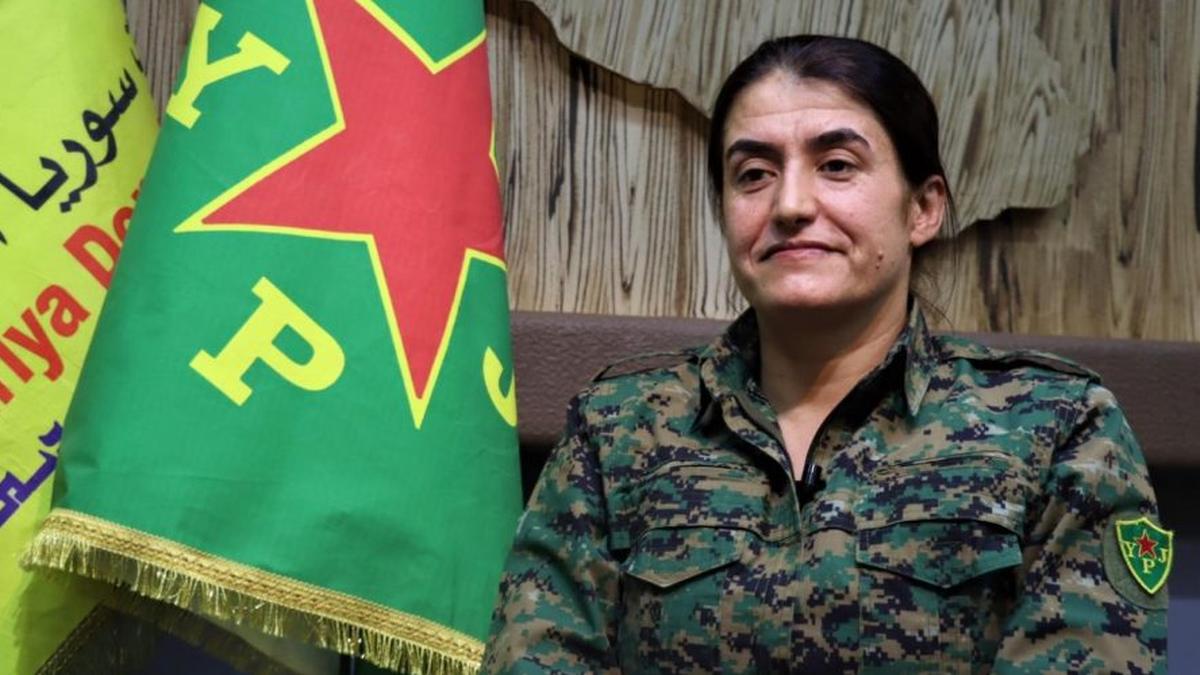
When the interim government took power in Syria after the collapse of the regime of President Bashar al-Assad fell in December 2024, many hoped it would bring an end to bloodshed and open a new path towards reconstruction and democratic reforms. But the mistakes made by the new rulers of Syria have considerably increased the violence and instability in all parts of the country, says Rohilat Afrin, the Commander-in-Chief of the Women’s Defence Units (YPJ), a Kurdish armed group, and member of the Syrian Democratic Forces (SDF) General Command. The YPJ and the YPG (People’s Protection Units) are the main constituents of the SDF, which, with support from the U.S., played a pivotal role in the battle against the Islamic State (IS) in Syria from 2014 onwards. In recent months, fighting broke out between the Syrian government troops and the SDF, which led to a fragile ceasefire on January 10. In this written interview with The Hindu, Ms. Afrin talks about the fighting in North and East Syria, prospects for peace and stability in the country and the future of Kurdish autonomy. Edited excerpts:
Can you describe the current dynamics of the clashes between Kurdish forces and Syrian government troops, and what are the primary causes of this escalation?
On January 6, the territories administered by the Democratic Autonomous Administration of North and East Syria (DAANES) and defended by the Syrian Democratic Forces (SDF) came under heavy attacks. These attacks were carried out not just by forces controlled by the Syrian Interim Government (SIG). Brigades which are directly controlled by Turkey, foreign fighters of the Hayat Tahrir al-Sham (HTS) and Islamic State (IS) fighters were also part of these attacks.
Continue Reading on The Hindu
This preview shows approximately 15% of the article. Read the full story on the publisher's website to support quality journalism.