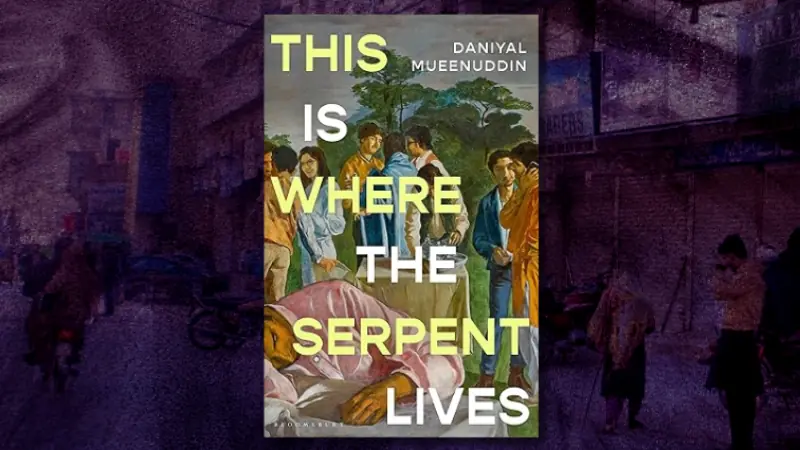
Here are the opening lines of Pakistani-American Daniyal Mueenuddin’s new novel This Is Where the Serpent Lives:
“Bayazid never knew how he came to be a little boy alone in the streets of Rawalpindi. He had a memory more of forces than of people — a crowd, a hand, a hand no more. Yet the bazaars in those early 1950s were not so crowded as that, and Rawalpindi, a town small enough that a lost little boy should be found.”
Those sentences tell you almost everything about the book’s method. The first line is plain, almost a documentary. A boy alone. A city named. No drama. Then, the second sentence slips inward. Not people, but forces. Not faces, but pressure. A crowd. A hand. Then, the hand is gone. The language enacts what it describes. Memory thins. What remains is sensation rather than story.
The third sentence is where the knife turns. The adult voice intrudes, quietly correcting the child’s recollection. The bazaar was not that crowded.
Continue Reading on Dawn
This preview shows approximately 15% of the article. Read the full story on the publisher's website to support quality journalism.