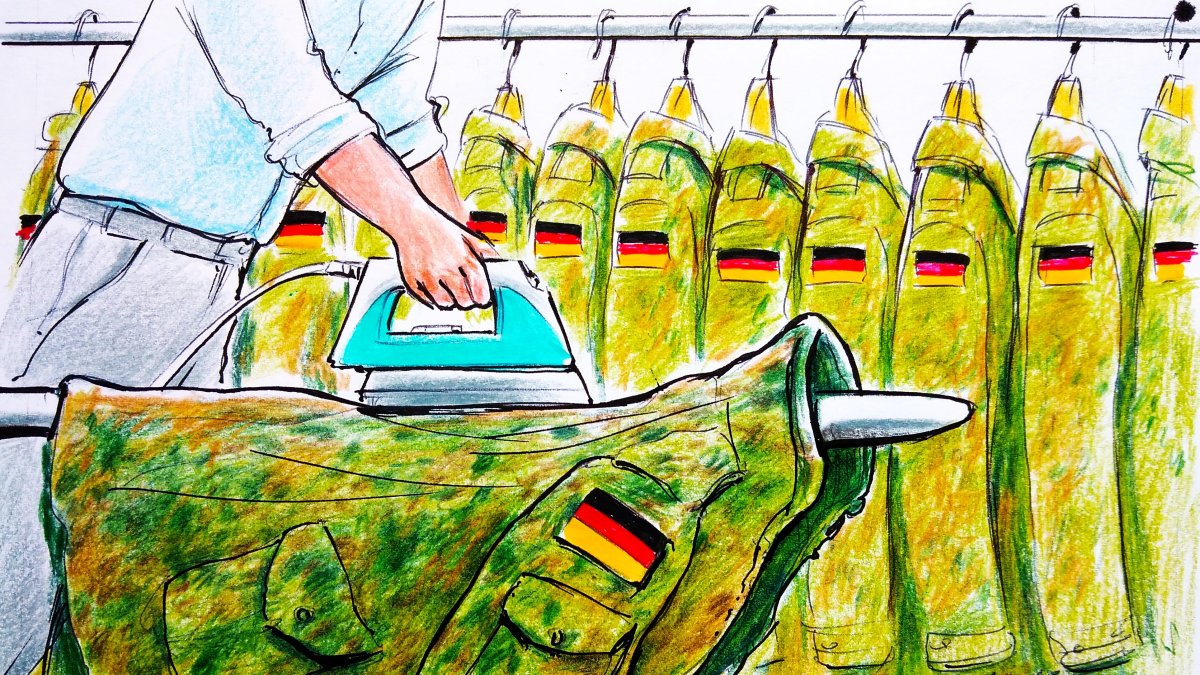
By making one of the most significant decisions of the 21st century, Germany has reinstated mandatory military service, previously discontinued in 2011 because it was considered a “strategic luxury,” in a new form. Approved by the Federal Parliament (Bundestag) on Dec. 5, 2025, this new conscription system may initially seem like a technical update to address the changing security landscape caused by the war in Ukraine, fulfill NATO commitments or resolve personnel shortages in the armed forces of Germany (Bundeswehr). However, in reality, it signifies something much more important. The change in Germany’s military service policy indicates not only a defense reform but also a deeper transformation of Germany’s foreign and security policy approach.
This decision shows that the “culture of restraint” (Kultur der Zurückhaltung), carefully built by Germany since World War II and long a core part of its foreign policy, is increasingly seen as unsustainable. The debate on “normalization,” which has continued since reunification in 1990 and has often been conducted implicitly, has now entered a new stage, for the first time, through a move that directly addresses the relationship between the state and society and the idea of national defense.
End of restraint
To understand Germany’s current defense responses, it is essential to analyze the strategic identity formed after the war. The Nazi era, World War II and the experience of genocide made military power, in the view of German political leaders, not just a strategic tool
Continue Reading on Daily Sabah
This preview shows approximately 15% of the article. Read the full story on the publisher's website to support quality journalism.