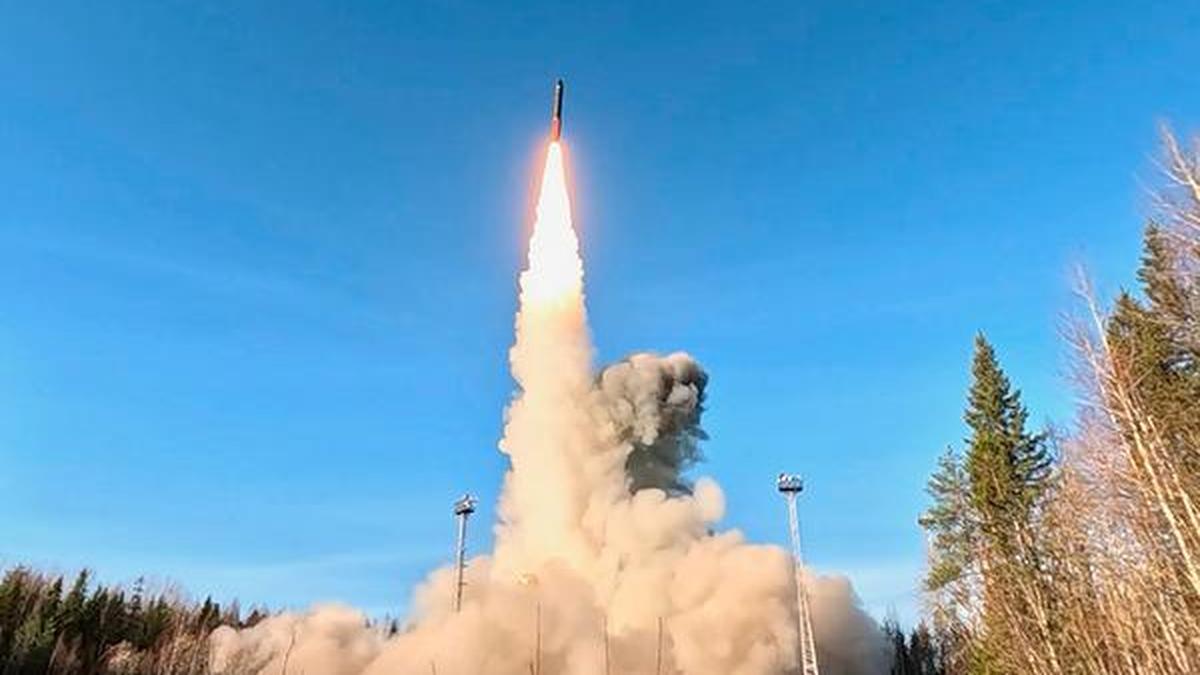
On February 5, the New Strategic Arms Reduction Treaty (New START) officially expired, marking the end of the last remaining bilateral agreement constraining the nuclear arsenals of the U.S. and Russia. The New START treaty emerged from a period of diplomatic reset between Washington and Moscow in the late 2000s. Its predecessor, START I, was signed in 1991 and expired in December 2009. While the 2002 Moscow Treaty was still in effect, it lacked the rigorous verification and monitoring mechanisms typically of the START era.
Negotiations for a successor began in earnest in April 2009 after a meeting between then U.S. President Barack Obama and his Russian counterpart Dmitry Medvedev in London. The drafting process involved several rounds of talks in Geneva and Moscow. In April 2010, the two leaders signed the treaty in Prague and, after a contentious ratification process in the U.S. Senate and approval by the Russian Federal Assembly, entered into force on February 5, 2011.
Nuclear limits
New START set up verifiable limits on the strateg
Continue Reading on The Hindu
This preview shows approximately 15% of the article. Read the full story on the publisher's website to support quality journalism.