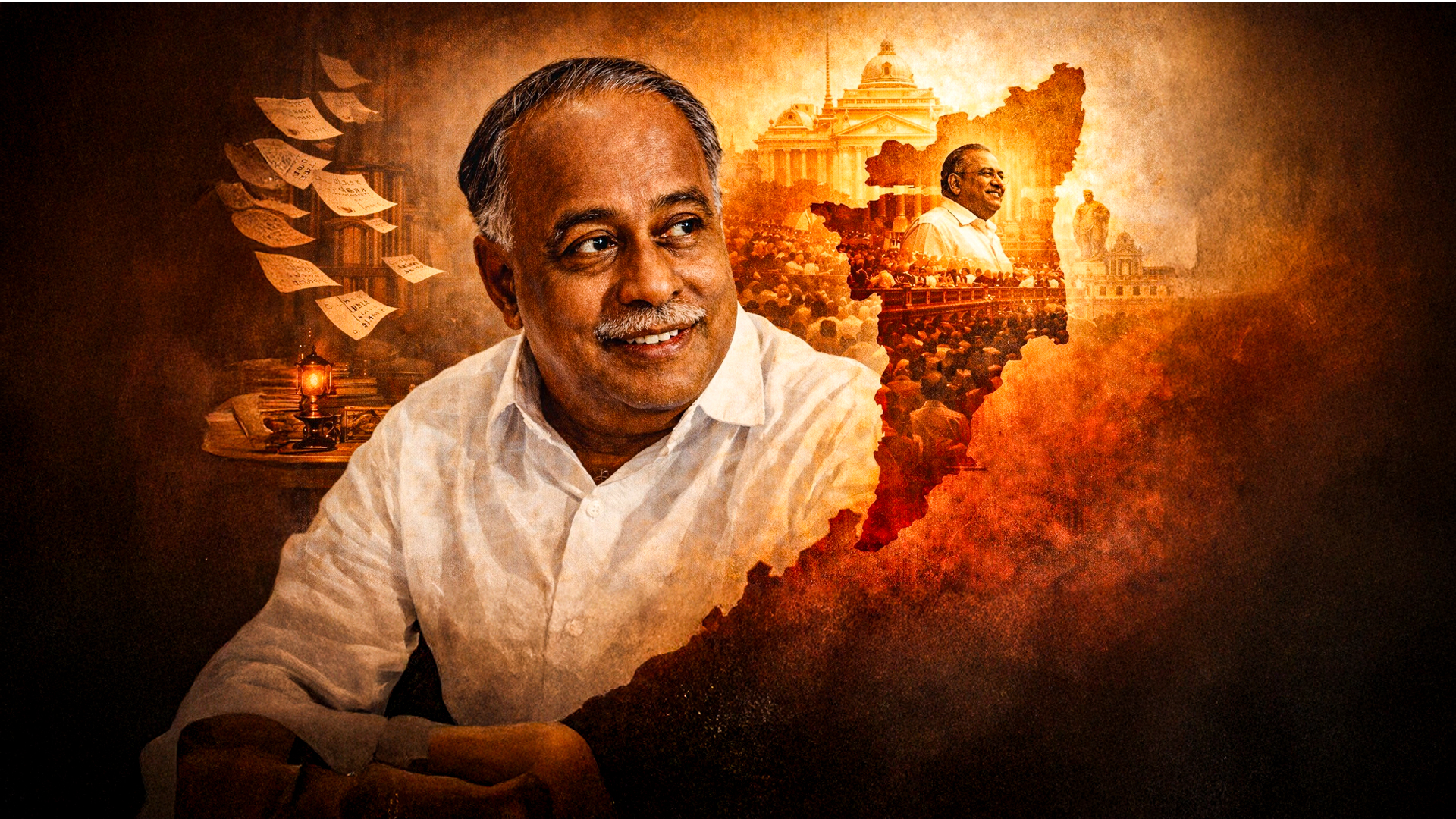
Tamil Nadu is the graveyard of national political parties. It buried the Congress at its peak then in 1967. The BJP, also at its peak now, has been pregnant with possibilities but has failed to deliver. Never a serious player in the state before the dawn of the Modi-era, the BJP has been humbled in every election since his arrival in 2014 (2019, 2021 and 2024). Pundits and laypersons, Tamil Nadu confounds everybody alike. What makes it the strongest citadel of regionalism in contemporary politics that is now soaked in nationalism? Why is it a unique entity even among its culturally similar southern states? All these states are also fiercely proud of their cultural moorings, but none practices antagonism to national parties as a principle of state policy, so to say. What makes it stand out and stand apart? Is it true that a monolithic national narrative suppresses or seeks to suppress the state's distinct Tamilakam (Tamil Nadu of yore) identity and ancient glory? Or, do the state's Dravidian parties deliberately stoke the sense of cultivated alienation and grievance to perpetuate their careers? What has Dravidian politics delivered that the state does not want a taste of any other model? What is the collective angst of the Tamils? Is it justified? Why can't the rest of India fathom it? As another grand electoral spectacle looms in 2026, these are some of the myriad questions that need to be addressed. Not to predict winners and losers, but just to understand why Tamil Nadu is the way it is. In this new series, that is what Chennai-based senior journalist, TR Jawahar, will attempt to do. He will dig deep into history and heritage, arts and archaeology, language and literature, cinema and culture, kingdoms and conquests, castes and communities, religion and race and, of course, politics and pelf, to paint a picture of the state that might help you understand whatever happens when it happens. Read More
Advertisement
The year 1967 was not about just another battle for the ballot; it was an electoral earthquake that permanently altered the fault lines of the entire Indian subcontinent. As the Rising Sun of the DMK finally crested the horizon, C.N. Annadurai (Anna) ascended the steps of Fort St. George, moving from the Bearded Oracle's anvil to the chief minister’s chair.
This was the ascent of the alliterative architect, a short but seminal tenure of just 595 days that seeded Tamil Nadu's new age and solidified Anna as the man who made the Dravidian dream deliverable. At 58, he took the oath, not in ceremonial pomp, but in his trademark simple dhoti—a pithy and poignant symbol of the common man’s coronation. The profound, prolific and profuse pen master had arrived to proofread the state’s destiny.
Advertisement
The "Thambis" Trus
Continue Reading on India Today
This preview shows approximately 15% of the article. Read the full story on the publisher's website to support quality journalism.