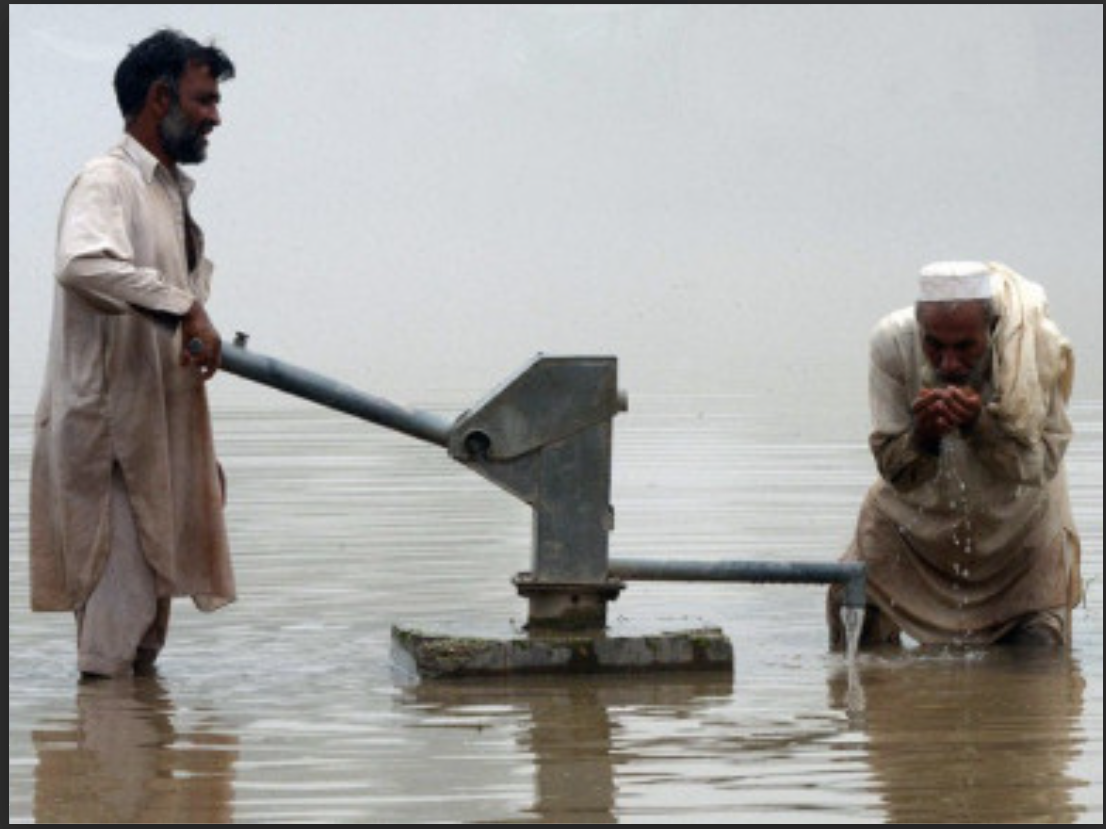
Every morning in Quetta, before the sun clears the jagged peaks of the Sulaiman Mountains, a ritual of anxiety begins. It starts with the hollow, metallic clink of a dry tap. For thousands of households, this sound is the starting gun for a daily race for survival. With it echo the neighbourhoods with one question: “Will water come today?”
In the sprawling neighbourhoods of the provincial capital, families ration every drop, calculating whether a litre of water should be used for cooking a meal or washing a child’s face.
What was once a seasonal inconvenience has hardened into a defining feature of life in Balochistan. This quiet crisis is unfolding alongside a demographic explosion that threatens to overwhelm the province’s fragile ecology.
The arithmetic of crisis
According to Abdul Sattar Shahwani, Director PMCT, Balochistan’s population has surged to 14.89 million, up from 12.34 million in 2017. This represents an average annual growth rate of 3.2 percent.
The trajectory is staggering. In 1951, Balochistan was home to a mere 1.17 million people. By 1998, that number had reached 6.56 million. Today, it has more than doubled again. Official projections suggest that by 2030, the province will host 18.57 million people. By 2050, that figure could exceed 35 million.
“We are adding millions of people to a landscape that is physically losing its ability to support life,” says a local urban planning consultant. “If the population doubles while the water table halves, the math simply doesn't work.
Continue Reading on The Express Tribune
This preview shows approximately 15% of the article. Read the full story on the publisher's website to support quality journalism.