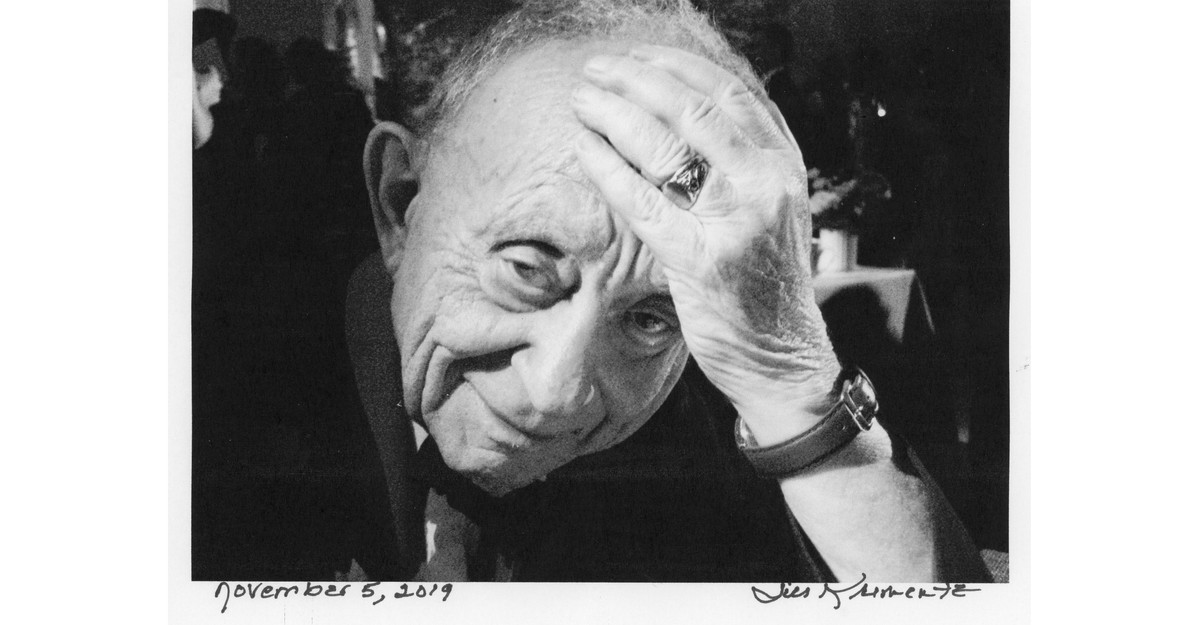
Before he became a filmmaker, Frederick Wiseman was a professor who was in over his head. Wiseman had gone to Yale Law School partly to avoid the Korean War draft (though he ended up drafted anyway), but also, by his own admission, because he lacked a better idea of how to spend his time. At Boston University, he taught classes on topics that he claimed he didn’t know much about, so he would take his students on educational field trips to sites where their defendants might end up if they received insufficient legal representation.
One of those places was the since-renamed Bridgewater State Hospital for the Criminally Insane, where he got a different idea. After the facility superintendent accepted his proposal to film at the hospital, Wiseman began filming, with permission from authorities. By merely observing the appalling conditions at Bridgewater, Wiseman made Titicut Follies, a film so threatening to the Massachusetts state government’s reputation that the Massachusetts Superior Court ordered it to be pulled from distribution, citing patient-privacy concerns. This de facto government censorship lasted from 1967 until 1991, after a court lifted the ban and allowed Titicut Follies to be publicly screened. In the interim years, Wiseman, who died last week at the age of 96, built a career by chronicling the state of American instit
Continue Reading on The Atlantic
This preview shows approximately 15% of the article. Read the full story on the publisher's website to support quality journalism.